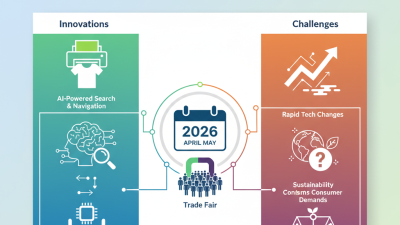
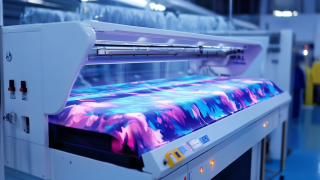
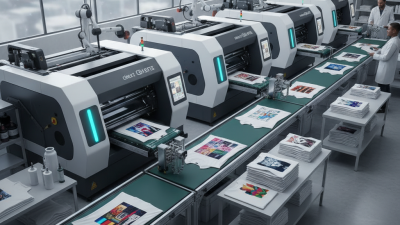
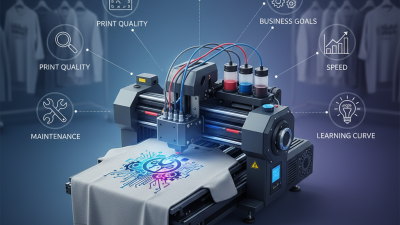
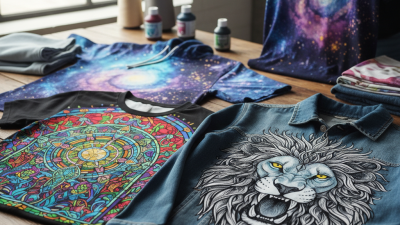
In today’s super fast-paced world, buyers around the globe are always on the lookout for innovative and fresh solutions to meet their printing needs. And honestly, DTG (Direct-to-Garment) printing has really become a game changer lately. It’s known for being quick and precise, making it perfect for a bunch of different demands. Companies like Printful and Printify make it easy for businesses to get DTG shirt printing done, letting you create custom designs without a hassle.
What makes DTG stand out? Well, it produces super high-quality graphics, and it uses eco-friendly inks and materials — which is a huge plus for the environmentally conscious crowd. That said, some business owners hesitate because of the upfront costs. But honestly, it’s worth considering the long-term benefits. Sure, the initial investment might seem a bit steep, but the potential for better profit margins definitely makes up for it.
Another cool thing about this tech? It’s perfect for small batch runs, so you can prototype or create limited edition designs without breaking the bank. Just keep in mind, though, that production times and maintaining consistent quality are things to stay mindful of. Embracing DTG can really help elevate your brand and better serve your customers. As the industry keeps evolving, understanding its perks and challenges is key if you want to stay ahead of the game.
Overview of DTG Printing Technology and Techniques
Dtg Printing, or Direct-to-Garment printing, is revolutionizing the textile industry. This innovative technology allows for detailed images to be printed directly onto fabric. According to a 2022 industry report, the global DTG printing market is expected to grow significantly, reaching nearly $5 billion by 2025. This growth indicates a shift towards personalized and custom apparel production.
Using advanced inkjet technology, Dtg Printers can produce vibrant colors with exceptional accuracy. This method reduces waste compared to traditional printing techniques. A study from Smithers Pira noted that DTG printing generates 50-60% less water consumption than conventional methods. Additionally, the setup time is considerably shorter, enabling faster turnaround for custom orders.
Despite the advantages, there are challenges. DTG printers require regular maintenance to ensure consistent quality. The cost of high-quality inks can be prohibitive for small businesses. Moreover, the fabric type can greatly affect print durability. Creating a balance between quality and cost remains a crucial consideration for buyers. As the technology evolves, addressing these issues will be essential for maximizing the benefits of DTG printing.
Cost-Effectiveness of DTG Printing for Global Buyers
DTG printing, or direct-to-garment printing, is increasingly favored by global buyers due to its cost-effectiveness. It allows businesses to print designs directly onto fabric, which reduces the need for extensive setup. Fewer materials and lower labor costs make this method appealing. When managing tight budgets, DTG printing can significantly lower operational expenses without sacrificing quality.
With a DTG Printer T-Shirt Printing Machine, businesses can produce high-quality garments on demand. This eliminates surplus inventory and minimizes waste, providing a more sustainable approach. Additionally, smaller orders can be fulfilled efficiently, catering to a diverse clientele. Buyers can experiment with limited runs and unique designs without incurring hefty upfront costs.
However, potential buyers must consider the initial investment in DTG technology. While it can lead to cost savings over time, the expense may be daunting initially. Understanding the maintenance and operational requirements is essential. Businesses should weigh these factors carefully to maximize their return on investment while exploring this innovative printing method.
Environmental Benefits of Using DTG Printing Processes
DTG printing processes are gaining attention for their environmental benefits. One significant advantage is the reduction of waste. Traditional printing methods often lead to excess ink and materials. In contrast, DTG printers use only the necessary amount of ink for each design. This reduces overall waste significantly, making it a greener choice.
Another notable aspect is the water usage. A report from the Environmental Protection Agency indicates that DTG printing consumes up to 50% less water compared to screen printing methods. This is crucial, especially in areas facing water scarcity. Additionally, DTG printing machines are often equipped with advanced technology that minimizes hazardous waste.
Tips: Always research your DTG printer model for its environmental performance. Look for machines that prioritize eco-friendly solutions. Ensure proper training for operators to optimize ink and resource usage.
Moreover, the emergence of eco-conscious inks has transformed the industry. Many DTG Printer Printing Machines now utilize water-based inks. These inks are less harmful and decompose more easily than their solvent-based counterparts. Adopting these innovations can significantly enhance sustainability in the apparel sector. However, the transition might require more comprehensive training for users to fully exploit these capabilities.
Top 10 Benefits of DTG Printing for Global Buyers
This chart illustrates the top 10 environmental benefits of DTG printing processes, showcasing their positive impact on sustainability and eco-friendliness. Each benefit is expressed as a percentage representing its level of impact.
Customization and Design Flexibility in DTG Printing
Direct-to-Garment (DTG) printing offers remarkable customization and design flexibility. This technology allows global buyers to create unique designs tailored to specific markets. Each piece can be personalized, catering to diverse cultural preferences. This level of customization enhances customer satisfaction and engagement.
Design aspects also shine with DTG printing. Customers can bring their ideas to life in vivid detail. High-resolution images and vibrant colors are possible. However, it’s essential to note that precise designs may require meticulous planning. Inexperienced users might struggle with file formats or design compatibility. Learning curves exist, but the reward can outweigh these challenges.
Flexibility in production is another notable perk. DTG printing supports both small and large runs. As trends change, businesses can quickly adapt their offerings. However, scaling up production swiftly may present issues. Equipment maintenance and technical knowledge become critical. Awareness of potential pitfalls can help buyers make informed decisions.
Quick Turnaround Times and Production Efficiency
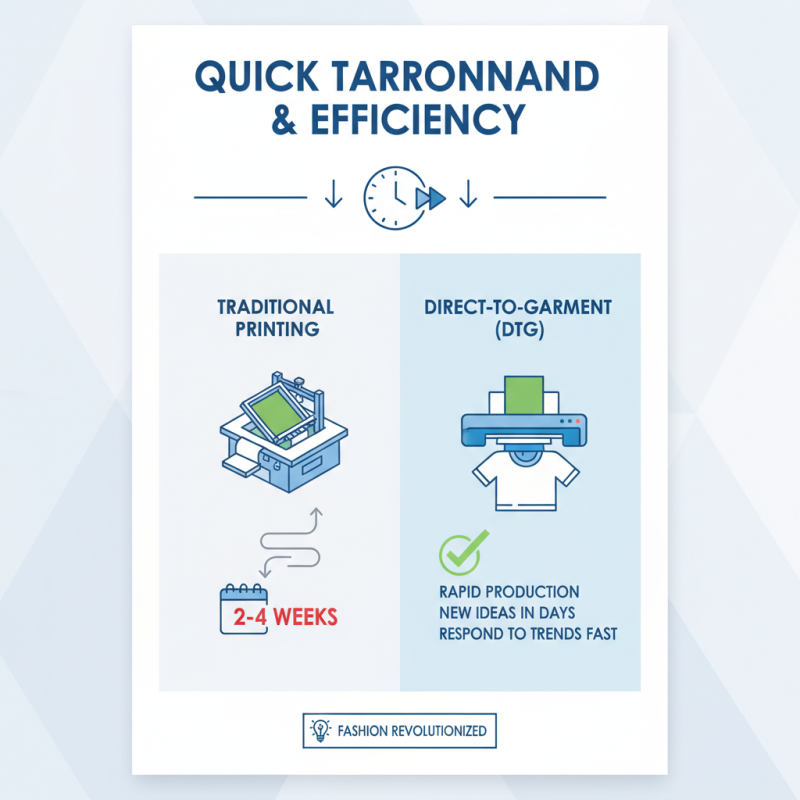
Direct-to-garment (DTG) printing has revolutionized the fashion industry. Quick turnaround times are one of its standout features. Unlike traditional methods, DTG allows for rapid production. This means designers can test new ideas and respond quickly to trends. Projects that took weeks can now be completed in days.
Consider a recent order? If you need a limited run of custom t-shirts, a DTG Printer For T-Shirt Printing Machine can meet your needs efficiently. The process is straightforward, allowing for intricate designs that pop. Printing on-demand reduces excess inventory, saving both time and resources. However, it requires careful calibration for consistent results.
Remember, not every print will be perfect. Sometimes alignment issues occur, leading to less than ideal outputs. Be ready to adjust your designs accordingly. Pay attention to fabric types too; not all materials yield the same quality. Experimentation is part of the learning curve. It's essential to embrace mistakes, as they often lead to better understanding and improved processes.
When working with DTG, always prioritize quality. Regular maintenance of your DTG printer for t-shirt printing machine ensures optimal performance. Keep an eye on the ink levels and do routine cleaning. This can prevent potential hiccups during production. Trust the process, and stay flexible to adjustments and changes.
Quality and Durability of DTG Printed Products
Direct-to-Garment (DTG) printing offers remarkable quality and durability that appeal to global buyers. This technology utilizes specialized inks that bond directly with fabric fibers. As a result, the colors remain vibrant even after multiple washes.
DTG prints can capture intricate details, making designs pop with clarity and richness. This is particularly useful for custom apparel and intricate patterns, where traditional methods may fall short.
While DTG printing boasts many advantages, it’s not without its challenges. For example, adequately preparing the fabric is crucial. Not all materials yield the same results, so choices must be made carefully. Additionally, there is a learning curve in operating DTG printers effectively. Proper maintenance is essential to keep the machines running smoothly. Buyers must also consider the environmental impact. The inks used in DTG printing can be less harmful than traditional counterparts, but they still require mindful disposal practices.
Ultimately, the durability of DTG printed products is impressive, often exceeding expectations. When cared for properly, these garments retain their quality over time. However, buyers should be aware that quality control is a continuous process. Regular assessments and adjustments can help ensure that the final product meets the desired standards. As the industry evolves, staying informed about new techniques can enhance the DTG printing experience significantly.
Market Trends and Opportunities in DTG Printing for Buyers
The Direct-to-Garment (DTG) printing industry is rapidly evolving, presenting new market trends for global buyers. A recent report indicates that the DTG printing market is expected to grow at a compound annual growth rate (CAGR) of 20% from 2022 to 2030. This surge is driven by the demand for custom apparel and sustainable printing practices. Many buyers now seek to invest in eco-friendly technologies. This shift reflects growing consumer awareness regarding environmental issues.
Buyers should consider the flexibility offered by Printing DTG techniques. Companies can easily produce small batches with varied designs. However, ensuring consistent quality remains a challenge. Some DTG printers have reported difficulty maintaining high standards across different garment types. It's crucial for buyers to communicate their requirements clearly to avoid disappointments.
Market research highlights that personalized products are highly sought after. Customers desire unique items that express their individuality. Thus, DTG printing can satisfy this demand effectively. Yet, buyers should be aware of the limitations, such as longer production times for intricate designs. These challenges warrant careful evaluation and planning from buyers to ensure market competitiveness.
Exploring the Versatility and Efficiency of the PD-1700D Multifunctional Printing Machine for Modern Workplaces
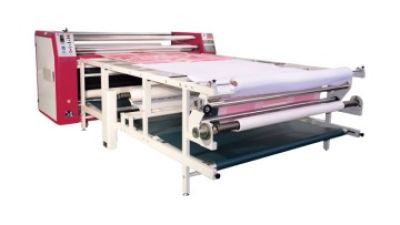
The PD-1700D multifunctional printing machine stands out in modern workplaces, offering an impressive combination of versatility and efficiency essential for today's fast-paced environments. This advanced printing device caters to a wide range of applications, making it particularly advantageous for production proofing, especially in the realms of cutting and positioning printing. Its ease of use ensures that operators can quickly learn and utilize its features, enabling streamlined workflows and reduced downtime.
One of the significant benefits of the PD-1700D is its ability to be tailored to meet specific user requirements. By allowing customers to optimize the equipment configuration according to actual needs, it transforms into a truly personalized printing solution. This adaptability is further enhanced by the availability of comprehensive digital printing solutions, which assist businesses in maximizing their operational efficiency. Whether for small-scale projects or larger production runs, the multifunctional capabilities of this printing machine ensure that it addresses diverse printing needs seamlessly.
FAQS
: DTG printing reduces waste by using only the necessary ink for each design.
DTG printing uses up to 50% less water than screen printing methods.
Many DTG printers now use water-based inks. These inks are less harmful and decompose easily.
Research the printer's environmental performance and look for eco-friendly features.
Proper training for operators is essential to optimize resource usage.
Yes, DTG printing offers customization and allows for unique designs tailored to markets.
Inexperienced users may struggle with file formats and compatibility, leading to mistakes.
Yes, it supports both, but scaling up production quickly can pose challenges.
Equipment maintenance and technical knowledge become crucial as production increases.
Yes, users may face challenges, but successful design execution can be rewarding.
Conclusion
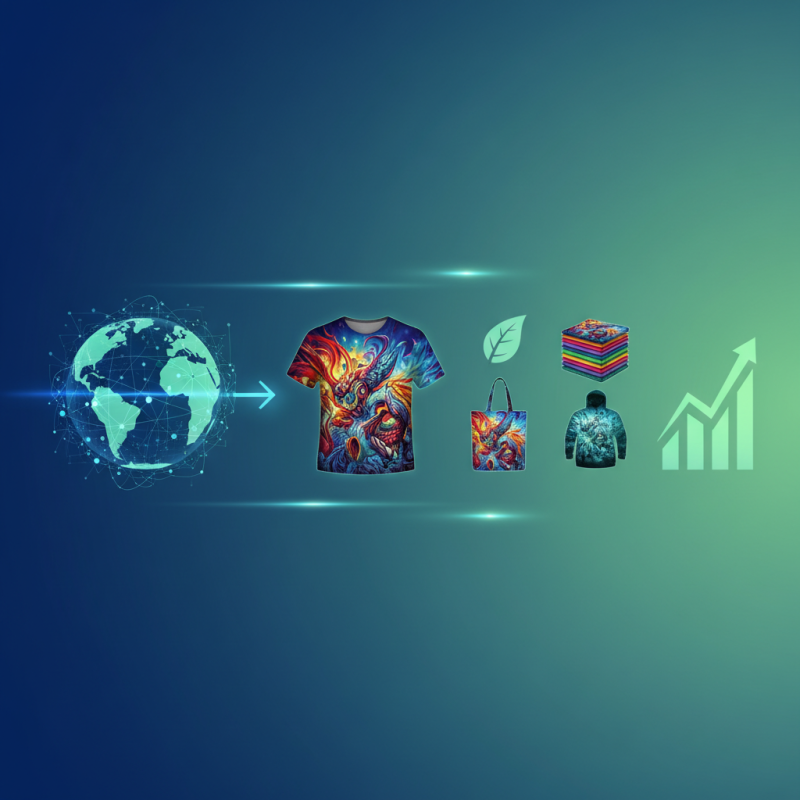
DTG printing, or direct-to-garment printing, offers a multitude of benefits for global buyers, making it an increasingly popular choice in the textile industry. This innovative technology allows for cost-effective production, especially for small runs, as it eliminates the need for costly setup processes associated with traditional printing methods. Additionally, DTG printing is environmentally friendly, utilizing water-based inks that reduce pollution and waste.
One of the standout advantages of DTG printing is its exceptional customization and design flexibility, enabling buyers to create unique, high-quality products that stand out in the market. The efficient turnaround times also ensure that businesses can respond quickly to consumer demand. Overall, the durability and attractiveness of DTG-printed items coupled with emerging market trends present significant opportunities for buyers looking to innovate and grow in a competitive landscape.