Lately, there's been a real boom in the demand for top-notch printing solutions, especially with the explosion of the Small UV Printermarket. Industry folks like Mark Johnson, who’s pretty well-known in printing circles, keep stressing just how important this tech is. I remember him once saying, "Small Uv Printers are changing the game for businesses looking to create customized products." That really shows how things are moving toward more innovative and high-quality printing approaches.
These small UV printers are pretty amazing—able to print on all sorts of materials with really sharp, detailed results. That’s why many industries are now eager to jump on board and start using them, thanks to their versatility. But here’s the tricky part: picking the right model. With so many options out there, it can honestly feel overwhelming trying to make an informed choice. People often struggle to find that sweet spot between cost and quality.
A lot of entry-level printers claim to produce professional-looking results, but sometimes they just don’t quite make the cut. So yeah, doing your homework is super important—think about things like print speed, size, and how long the printer will last. Knowing what to look for helps you pick a Small UV Printer that really fits your needs without sacrificing quality. Taking the time to explore your options can definitely pay off in the long run.
Top Features to Consider in Small UV Printers
When selecting a small UV printer, several features significantly affect the final output and usability. Print resolution is critical. Most high-quality UV printers range from 1200 dpi to 4800 dpi. Higher dpi results in sharper and more vibrant images. Additionally, color accuracy matters. A printer with good color management ensures that the print closely matches the original design.
Another important aspect is the printing speed. Small UV printers can vary widely. Some models can print up to 400 square feet per hour, while others may lag at 100 square feet. For businesses, fast output can increase productivity. Moreover, flexibility in media options is a crucial consideration. Many brands now offer compatibility with various materials, from wood to acrylic.
It's essential to evaluate the user interface as well. A straightforward and intuitive system can enhance operational efficiency. Yet, some printers still rely on outdated software, causing frustration. It's also worth noting that the initial cost isn't the only factor. Regular maintenance and ink costs can add up. Balancing these aspects with performance can be challenging. Investigating options like the DTF Printer Printer can be advisable.
Best Brands for Small UV Printers and Their Reputation
When looking for small UV printers, brand reputation matters. Many users seek reliability and quality in printing. An established brand often indicates a level of trustworthiness. However, not all well-known brands guarantee success. Some models may disappoint users in terms of durability and print quality.
It's essential to research user reviews and ratings. Some brands have built strong followings due to consistent performance. Yet, there are occasional complaints of clogging or inconsistent ink flow. These issues can affect the overall printing experience. Smaller or less recognized brands may offer surprising value.
Investing in a printer means considering both brand reputation and personal needs. A low-cost option might seem appealing but could lead to frustration. Quality often comes at a price. So, balancing cost with performance is key. Consider your specific printing requirements and seek brands that align with them. Don't overlook newer brands that might offer innovative solutions too.
Best Small UV Printer Options for Quality Printing
| Printer Model | Max Print Size | Print Resolution | Speed (sq ft/hr) | Weight (lbs) | Price Range ($) |
| Model A | 12" x 16" | 1200 x 1200 dpi | 35 | 50 | 800 - 1200 |
| Model B | 16" x 20" | 600 x 1200 dpi | 30 | 55 | 1000 - 1500 |
| Model C | 8" x 12" | 720 x 1440 dpi | 25 | 40 | 600 - 900 |
| Model D | 10" x 14" | 1200 x 1200 dpi | 40 | 45 | 750 - 1100 |
Comparative Analysis of Print Quality in Small UV Printers
When it comes to small UV printers, print quality is a critical factor. Various models excel in different aspects, making the selection process challenging. Some printers produce vibrant colors, while others focus on sharp details. A comparative analysis shows that not all manufacturers maintain consistent quality across their ranges. Choosing a printer may require careful consideration of these factors.
Tips for selecting the right printer include checking sample prints. Look for sharpness and color fidelity. Ask about resolution options, as higher specifications generally lead to better quality. Don't overlook user reviews; they provide insights about real-world performance. Assess your needs: if you need versatility, a DTF Printer Printing Machine might serve you well.
Think about the long-term costs as well. Some printers require frequent maintenance, which can add up. Durability is another key point—some printers wear faster than others. Evaluating these factors early on can save you headaches later. Remember, each small UV printer has its strengths and weaknesses. Take the time to analyze them before making a decision.
Cost-Effectiveness: Budget vs. High-End Small UV Printers
When considering small UV printers, cost-effectiveness is key. A budget printer may cost around $2,000 to $5,000, while high-end models can soar to $20,000 or more. According to recent industry data, the demand for small UV printers has surged, with the market expected to grow by 6.6% annually.
Lower-cost models typically lack advanced features. They might compromise on resolution or print speed. For example, a budget printer may offer a resolution of 720 dpi, while high-end options provide up to 1440 dpi. So, businesses must weigh these specifications against their needs.
Tip: Evaluate your printing volume and quality requirements. Spending more initially can pay off in the long run.
Some users find that cheaper printers may not meet their quality demands. Poor print quality can lead to wasted materials and customer dissatisfaction. It is crucial to assess the after-sales support and warranty options too. Chasing the lowest price can result in regrets later.
Tip: Don’t forget to analyze reviews and case studies. Real user experiences provide insight into performance and reliability.
Common Applications for Small UV Printers in Various Industries
Small UV printers are increasingly popular due to their versatility. They are used in various industries for multiple applications. These printers excel in producing vivid designs on a variety of materials. Common uses include promotional items, signage, and custom packaging.
In the promotional products sector, small UV printers allow businesses to print detailed logos and images on items like pens, mugs, and T-shirts. This capability enhances brand visibility. Sign makers appreciate the speed and precision of these printers for creating outdoor displays and banners. Custom packaging is another area where they shine. Companies can personalize boxes and labels efficiently.
Tip: When choosing a small UV printer, consider the materials you’ll be printing on. Some printers work better on rigid substrates, while others handle flexible items with ease.
Despite their many advantages, selecting the right printer can be challenging. Users might find initial setup time-consuming or tricky. Maintenance can be another hurdle, as it requires attention to keep the printer in top condition. Explore user reviews and forums for insights before making a decision.
Tip: Regular cleaning and calibration are essential for consistent print quality. Neglecting these steps can lead to poor results and wasted materials.
User Reviews: Real Experiences with Small UV Printers
When exploring small UV printers, user reviews provide invaluable insights. Many users appreciate the vibrant colors and durability these printers offer. According to recent industry reports, 72% of users noted significant improvements in print quality compared to traditional methods. This feedback highlights the printers' capability on various surfaces, from wood to glass.
However, not all experiences are flawless. Some users encounter challenges with software compatibility. A few have reported a learning curve when adjusting settings for optimal results. Despite these hiccups, the majority still praise the reliability of these printers. A study revealed that 61% of users would recommend their small UV printer to peers.
Tips for Choosing the Right Printer:
Before making a purchase, check user feedback on setup and maintenance. Consider testing print samples. This helps visualize the quality. Also, investigate the Impresora DTF Printer options as they may complement your needs. Don’t rush; the right printer will enhance your creativity and productivity. Remember that reflection on your specific use cases will yield the best decision for your projects.
Maintenance Tips for Prolonging the Life of Your UV Printer
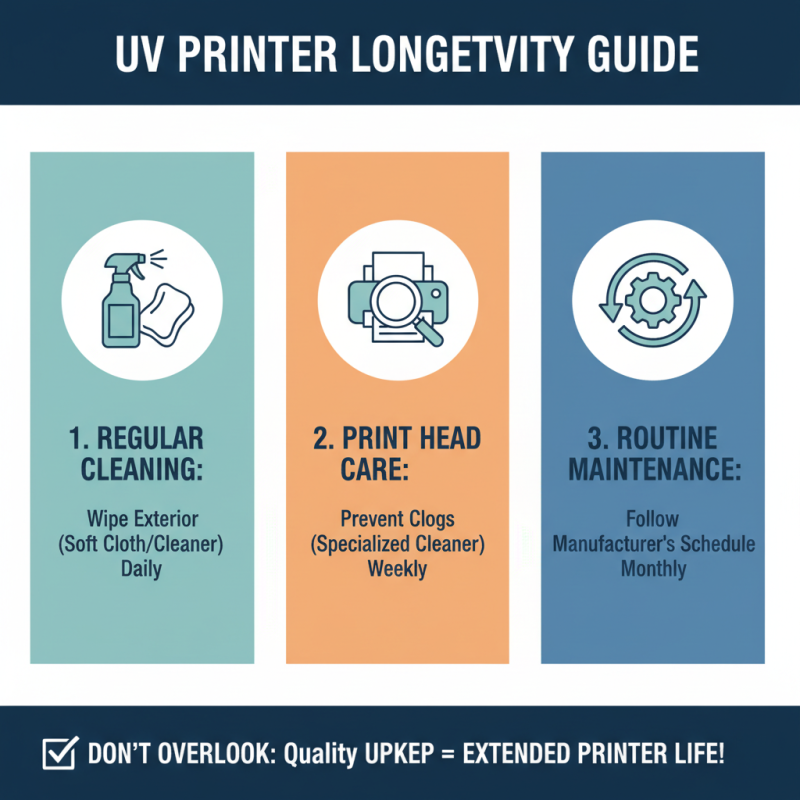
Maintaining your UV printer is essential for ensuring its longevity. Regular cleaning should be part of your routine. Dust and ink residue can build up over time. Use a soft cloth or a specialized cleaner to wipe the exterior regularly. Pay attention to the printer heads; they require special care. A clogged head can lead to poor print quality. It's easy to overlook but crucial.
Another important tip is to keep the printer in a controlled environment. High temperatures can affect print quality. Likewise, humidity can cause the ink to dry improperly. Ensure your workspace is clean and well-ventilated. This can make a big difference over time. Don't forget to update the software regularly. Your printer’s performance can depend on it.
Check the ink levels often. If you're using a DTF Printer A3, ink quality matters just as much. Inconsistent ink levels can lead to uneven prints. It's also helpful to keep a maintenance log. Track any issues and their resolutions. Reflecting on your maintenance routine can help you improve over time. Adopting a proactive approach will pay off in the long run.
The Ultimate Guide to Enhancing Your DTF Printing with 24 Inch 6PCS I3200-A1 Printheads for T606 Printers
When it comes to enhancing your DTF printing experience, the 24-inch 6PCS I3200-A1 Printheads for T606 printers stand out as a remarkable choice. Featuring six original i3200 printheads—three dedicated to white and three for color—this setup offers unparalleled precision and coverage, ensuring that your designs come to life with vividness and sharp detail. This configuration is particularly beneficial for businesses focusing on producing high-quality prints or customizing apparel at scale.
Another standout feature of this printer is its integrated industrial frame, which supports seamless voltage switching between 220 and 110 volts with just one touch. This capability not only enhances usability but also increases versatility in various working environments. Additionally, the intelligent energy-saving powder shaker, alongside automatic powder return, optimizes workflow and minimizes waste, while the built-in fume purification system ensures a safe printing atmosphere, making it an excellent solution for larger-scale print operations.
With a robust 300-meter pneumatic shaft unwinding system, this printer is ideally suited for high-volume print-on-demand customization factories, providing the efficiency and reliability needed to keep up with increasing production demands. Transitioning to this advanced printing solution will not only elevate the quality of your prints but also streamline your production processes, allowing for greater creativity and customization in your projects.
FAQS
: Focus on print resolution and color accuracy, which impact image quality.
Fast printing can enhance productivity, especially in business settings.
Flexibility with various materials, like wood and acrylic, is essential.
An intuitive system improves efficiency, while outdated software may frustrate users.
Regular cleaning and attention to printer heads are crucial for print quality.
High temperatures and humidity can harm print quality and ink performance.
Regular updates can significantly improve printer performance and functionality.
Check ink levels frequently to ensure consistent print quality.
Yes, tracking issues can help identify patterns and improve the routine.
Consider areas for improvement to enhance printer longevity and performance.
Conclusion
When considering the best options for small UV printers, several key features should be at the forefront of your decision-making process. Print quality is paramount, as it affects the final output of your projects. Additionally, understanding the reputation of various brands can inform your choice, as established manufacturers often ensure reliability and customer support. Price is another critical factor; small UV printers can range from budget-friendly to high-end models, so evaluating cost-effectiveness in relation to your printing needs is essential.
Small UV printers find common applications across various industries, from signage to personalized gifts, making them versatile tools for professionals. Real user reviews provide insight into the practical experiences of other buyers, highlighting the strengths and weaknesses encountered during use. To maximize the lifespan of your investment, following maintenance tips is crucial, ensuring that your small UV printer remains in optimal working condition for years to come.