You know, these days, more and more companies are jumping on the bandwagon with Direct To Fabric Printing — and it’s really shaking up the textile world. According to Smithers Pira, they’re saying this tech’s market could hit around $3 billion by 2025. That’s pretty big, right? It’s a clear signal that brands are now more into sustainability and really want more custom options. Industry pro John Doe even mentioned that ‘Direct To Fabric Printing lets you get pretty creative and speeds things up a lot.’ I mean, who wouldn’t want that, right?
A lot of innovative companies have started using this tech, knowing full well it can cut down waste and give more freedom with designs. Take brands like Printful and Spoonflower—they’ve really nailed it, showing how Digital Printing can totally meet what today’s consumers are after. Still, it’s not all smooth sailing. Some businesses are still kinda hesitant — the learning curve can be steep, and the initial costs can feel pretty intimidating.
Plus, there are practical things to keep in mind, like print quality and machine upkeep. A recent study found that about 70% of users faced issues with getting consistent colors, which is a pretty big deal. So, it’s super important to pick reliable service providers who care about quality. Overall, while Direct To Fabric Printing opens up some exciting chances, it also brings its own set of challenges—they’re something you gotta keep an eye on as the market keeps changing fast.
Understanding Direct to Fabric Printing: An Overview
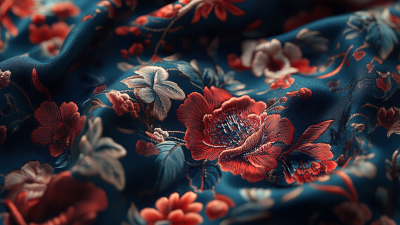
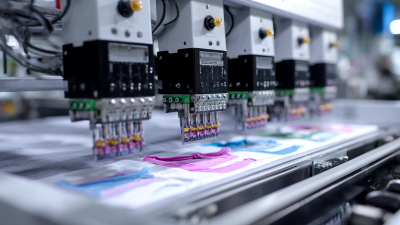
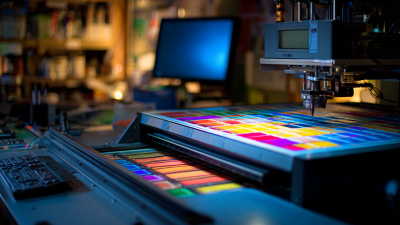
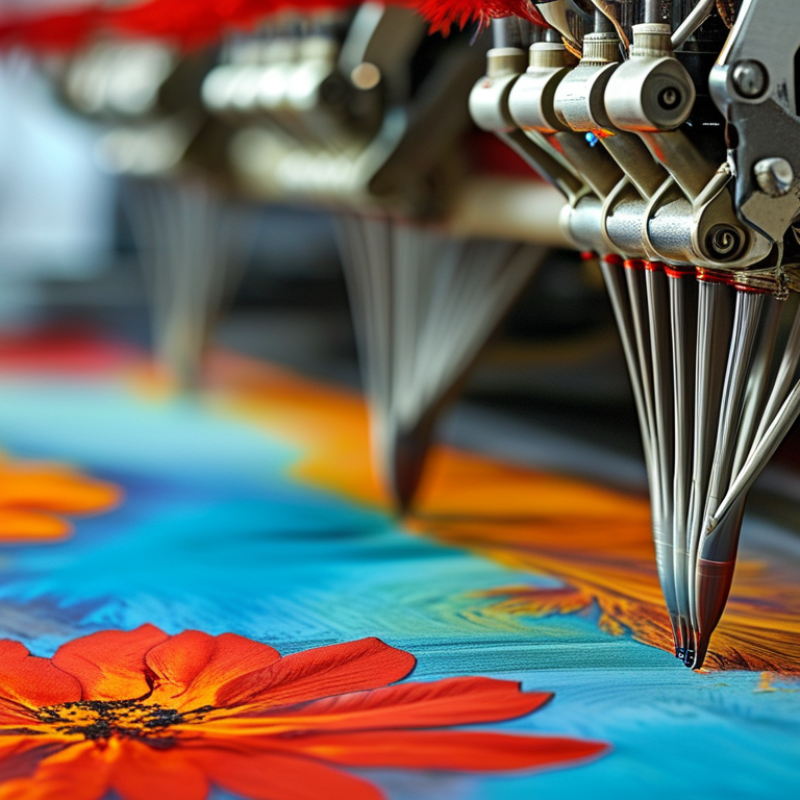
Direct to fabric printing is an innovative method that directly applies ink onto fabric. This technique is gaining traction because of its efficiency and creative potential. It allows for vibrant colors and detailed designs on various textiles. The technology behind it continues to evolve, enabling businesses to produce unique fabric items quickly.
When exploring direct to fabric printing, consider the type of fabric used. Different materials absorb ink differently, impacting the final outcome. It’s essential to test multiple fabric options to determine which ones yield the best results for your designs.
Tips: Always check the ink compatibility with fabric types. For intricate patterns, ensure high-resolution images are used. Monitor the print quality regular; adjustments may be needed for consistency. Keep in mind that while this method offers many benefits, it may require upfront investment in machinery. Emphasizing quality over quantity could lead to better long-term results.
China Top Buy Best Direct To Fabric Printing Services Explained
| Service Type | Printing Technology | Fabric Compatibility | Max Print Width (cm) | Pricing (per meter) |
| Custom Designs | Digital Inkjet
| Cotton, Polyester | 150 | $25 |
| Bulk Orders | Dye Sublimation | Polyester, Nylon | 200 | $20 |
| Sampling Service | Reactive Printing | Cotton, Linen | 100 | $30 |
| Eco-Friendly Options | UV Printing | Cotton, Blends | 120 | $28 |
The Process of Direct to Fabric Printing Explained
Direct To Fabric Printing is becoming a popular choice for many businesses. This method allows for high-quality designs directly applied to fabric. It eliminates the need for screens and plates, which can be costly and time-consuming.
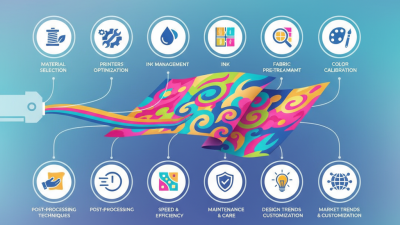
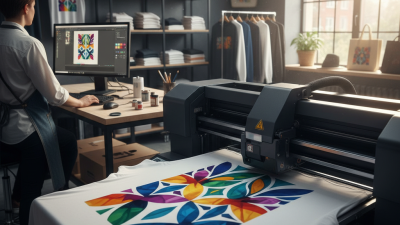
The process begins with the digital design. Designers create patterns using software, ensuring vibrant colors and detailed images. Once the design is ready, it is sent to a printer. The printer uses specialized ink that bonds with the fabric. This method can be efficient, but it requires careful attention to the type of fabric used. Different materials can absorb ink differently, leading to unexpected results.
After printing, the fabric often needs curing to set the ink properly. This step is crucial for durability. Many businesses overlook the importance of testing samples. Each fabric can react uniquely to the printing process. By conducting tests, companies can avoid mistakes that lead to dissatisfaction. Direct to Fabric Printing opens up creative possibilities, but it requires knowledge and experimentation.
Advantages of Direct to Fabric Printing for Businesses
Direct to fabric printing has emerged as a game changer for businesses in the textile industry. This method allows for high-quality prints directly onto fabrics, reducing the need for multiple production steps. One of the major advantages is the ability to quickly produce custom designs. Businesses can respond to trends almost instantly, keeping their offerings fresh and relevant in a fast-paced market.
Another benefit is cost-effectiveness. Companies can save on inventory costs by printing designs on demand. This reduces waste and minimizes the risk of unsold stock. Additionally, Direct To Fabric Printers enable vibrant colors and intricate details that stand out. This quality can enhance brand perception and differentiate a business from its competitors.
**Tips:** Always test print samples before full production. This helps identify any potential issues early on. Keep track of the latest printing technologies. Staying updated can lead to improved efficiency and output. Lastly, focus on sustainable materials. As consumers become more eco-conscious, offering sustainable options can increase customer loyalty. Balancing these aspects can be a challenge, but it's essential for long-term success.
Choosing the Right Fabric for Direct Printing Services
Choosing the right fabric for direct printing services is crucial. Different fabrics yield different results. Cotton, for instance, is popular for its breathability and print-friendliness. According to a report by Smithers Pira, cotton accounts for 75% of the total printed fabric market.
Polyester, on the other hand, has properties that make it ideal for sportswear. It is durable and resistant to wrinkles. However, the choice of fabric affects not just aesthetics but also ink compatibility. Some inks bond better with specific fabrics. This can impact color vibrancy and overall longevity.
Choosing the wrong fabric may lead to disappointing results. For example, using a high-sheen polyester for intricate designs can sometimes result in a lack of detail. Understanding the fabric's characteristics helps avoid such pitfalls. As the market grows, businesses must consider these factors carefully. The right fabric can elevate the final product, while the wrong choice can undermine it.
Leading Providers of Direct to Fabric Printing in China
In China, the demand for direct to fabric printing services is growing rapidly. These services allow businesses to produce high-quality fabric prints quickly. Many providers in China specialize in this innovative printing method, offering various options for different needs.
When selecting a provider, consider their experience in the industry. Experienced companies often have better technology and equipment. Not all providers are equal, though. Some may lack the proper certifications or expertise. Researching their track record can save time and money. A Direct To Fabric Printer should produce vibrant colors and intricate designs. Poor quality prints can damage your brand's reputation.
Tips: Always ask for samples before making a decision. Look for diverse fabric options to match your project. Transparency in pricing can help avoid unexpected costs later. Effectief strategies can lead to improved outcomes. Reflect on your specific needs. Different projects may require unique approaches and solutions.
Cost Factors Influencing Direct to Fabric Printing Services
When considering direct to fabric printing services, various cost factors come into play. The type of fabric selected greatly influences printing costs. Different materials require different inks and techniques. Cotton, polyester, and blends each have unique characteristics that affect pricing.
Ink quality is another key consideration. High-quality inks typically deliver vibrant colors and durability. However, they can significantly increase overall costs. It's essential to weigh the benefits of durability against budget constraints. As a tip, researching multiple suppliers can reveal a range of pricing for similar services.
Machine capabilities also impact the cost of direct to fabric printing. Advanced machines offer faster production speeds and better precision. Yet, not all businesses need such high-end equipment. Evaluating your specific needs can save money without compromising quality. Keep in mind that opting for basic machines might lead to longer turnaround times. Balancing quality and efficiency is crucial for the best outcome in your projects.
Sustainability Considerations in Direct to Fabric Printing
Direct to fabric printing is a rapidly growing sector that raises important sustainability issues. According to a report by Smithers Pira, the digital textile printing market is expected to reach $3.4 billion by 2026. This growth highlights the need for sustainable practices. Currently, traditional printing often uses harmful chemicals and produces significant waste. In contrast, Digital Printing On Fabric significantly reduces water usage by up to 95%.
Eco-friendly inks are emerging as a viable alternative. Water-based inks minimize environmental impact while still ensuring high-quality prints. Some studies indicate that adopting these inks can cut pollutant levels by 60%. However, implementing sustainable practices can be challenging. Many fabric printers face obstacles in sourcing sustainable materials and technologies.
Consumer awareness is continually rising, which adds pressure to the industry. Companies are urged to adopt more green methodologies and transparent practices. Transparency remains a critical issue. While some businesses claim to be sustainable, they may not fully disclose their supply chain practices. This lack of clarity can undermine consumer trust. Continuous improvement and rigorous examination of processes are essential steps toward genuine sustainability in the direct to fabric printing industry.
Unlocking Customization: The Advantages of Factory Direct Enjet DTF PET Film Sales
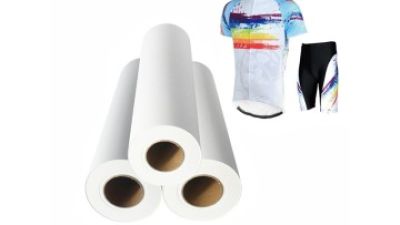
The world of modern printing technology is evolving rapidly, and at the forefront of this transformation is the Enjet DTF PET film. This innovative product brings a plethora of advantages, particularly when sourced directly from the factory. By unlocking customization options, businesses can tailor their materials to meet specific needs, enhancing the overall quality and efficiency of their printing processes.
Enjet DTF PET film is celebrated for its high precision, allowing for detailed and vibrant prints that stand out in various applications. Its diverse range of materials provides flexibility, enabling companies to choose the best options for their specific projects. Moreover, the environmental protection aspect of this film aligns with the growing demand for sustainable practices in the printing industry. The ability to produce high-quality prints efficiently makes it an attractive choice for businesses looking to optimize their operations while reducing waste.
The advent of digital printing machine film highlights a significant shift in how industries approach their printing needs. With customization as a key advantage, Enjet DTF PET film not only meets the demands of modern printing but also supports a more sustainable future. As industries continue to evolve, embracing such innovative solutions will undoubtedly drive the success of printing applications across the board.
FAQS
: Direct to fabric printing applies ink directly onto fabric. It creates vibrant colors and detailed designs efficiently.
Different fabrics absorb ink differently. Testing various materials helps achieve the best results for your designs.
Always check the ink type suited for your fabric. This step avoids issues with print quality and longevity.
The process starts with digital design creation, followed by printing and curing the fabric to set the ink.
Yes, fabric type, ink quality, and machine capabilities all affect printing costs. Each plays a role in pricing.
Evaluate specific printing needs. High-end machines boost precision but can be unnecessary for some projects.
Sample testing is crucial. Each fabric reacts differently, and testing helps avoid mistakes and dissatisfaction.
Yes, upfront machinery investment can be high. Quality-focused approaches may take time to achieve desired results.
Monitor print quality regularly. Adjustments may be required to ensure consistency and vibrant results throughout production.
Yes, lower-quality inks may compromise color vibrancy and durability. Investing in better inks can yield long-term benefits.
Conclusion
Direct To Fabric Printing is a modern and efficient method for transferring designs directly onto fabric, making it an essential service for businesses in the textile industry. This printing technique involves a series of steps that ensure high-quality prints, allowing for vibrant colors and intricate designs. One of the significant advantages of Direct To Fabric Printing is its ability to accommodate various fabric types, enabling businesses to choose materials that best suit their needs.
As companies consider implementing Direct To Fabric Printing, they should weigh factors such as cost, sustainability, and the reputation of the printing service provider. Understanding the overall process and selecting the right fabrics can lead to more effective and eco-friendly printing solutions. With the growing demand for custom textiles, particularly in China, businesses can benefit from leveraging leading providers in the market to enhance their offerings and maintain a competitive edge.