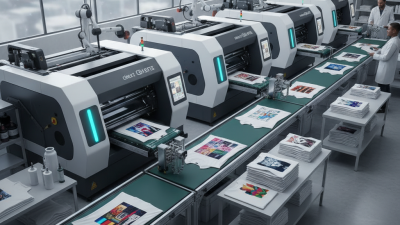
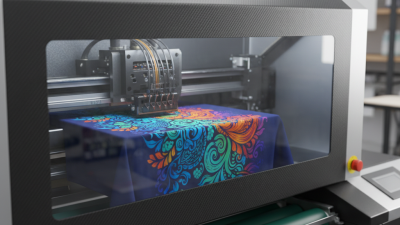
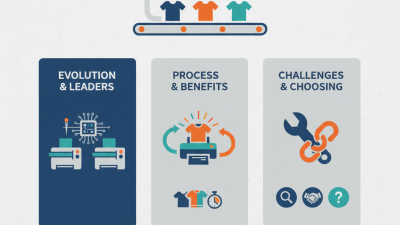
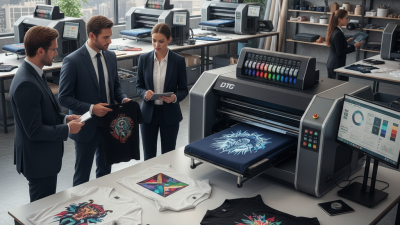
In today’s super competitive world of print, picking the right equipment can really make or break your business. The DTG Machine? It’s pretty much a game-changer for print shops hoping to level up. This cool new tech lets you print super detailed, high-quality designs on all kinds of fabrics — it’s perfect for the boom in custom apparel we’re seeing lately. If you’re thinking about jumping into the t-shirt printing scene, aDTG Printer T-Shirt Printing Machine might just be what you need.
Getting a DTG Machine can really help speed up your workflow. It’s flexible, so whether you’re doing a handful of orders or filling a big batch, it’s got you covered. But it’s not just about doing things faster — it’s also about giving you room to get creative. Being able to print intricate, sharp designs without losing quality is huge in today’s market.
Of course, bringing a DTG Machine into your setup isn’t without its hurdles. The initial cost might be a bit steep, and you’ll need to spend some time learning how to operate and take care of it properly. It’s totally normal to face a bit of a learning curve when you start out — but with patience and persistence, it can really pay off and help you grow your business.
Benefits of Direct-to-Garment (DTG) Printing for Businesses
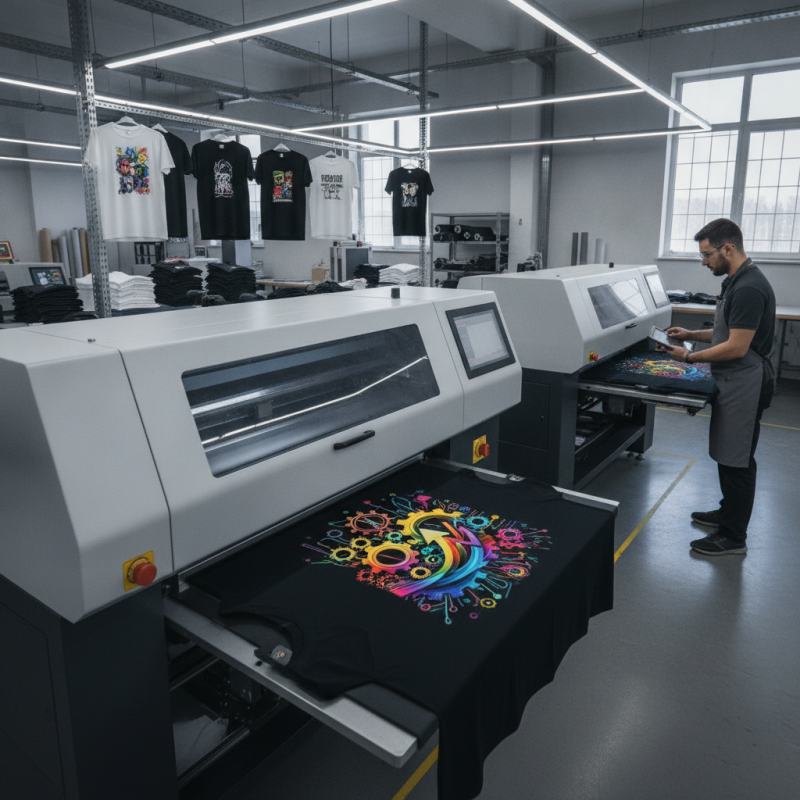
Direct-to-Garment (DTG) printing offers significant advantages for businesses looking to grow. This innovative technology enables quick and high-quality printing directly onto fabrics. It allows for intricate designs and vibrant colors. With a DTG Printer Machine, the art of customization shines. Customers appreciate the ability to get personalized products.
Speed is another crucial factor. Dtg Printing reduces turnaround times, making it easier to fulfill orders promptly. This can lead to increased customer satisfaction and repeat business. Additionally, the process produces less waste compared to traditional methods, which makes it environmentally friendly. However, businesses should reflect on their production capacity. While DTG offers many benefits, small operations may struggle to meet high demand initially.
Investing in a Dtg Printer machine means a commitment to quality. However, not every design translates perfectly onto every fabric. Collaboration with skilled designers can help avoid potential pitfalls. Understanding fabric types, ink compatibility, and design intricacies is essential. Embracing these challenges can ultimately lead to a stronger brand identity and business growth.
Understanding How DTG Machines Work and Their Technology
DTG machines, or Direct-to-Garment printing machines, are revolutionizing the print business. These machines use advanced inkjet technology, allowing for high-quality prints directly on fabric. The process involves digitally transferring ink onto garments, ensuring vibrant colors and intricate designs. A report by Smithers Pira highlights that the global market for textile printing is projected to grow at a CAGR of 6.9% from 2020 to 2025. This growth is largely driven by the versatility and efficiency of DTG Printer Printing Machines.
These machines excel in small-batch printing, making them ideal for custom orders. The capability to print on-demand reduces waste. A study from the Textile Institute states that DTG printing typically produces 30% less waste compared to traditional screen printing. Understanding the technology behind these machines can enhance operational efficiency. Each DTG printer operates with unique ink formulations and printing software that affect print quality.
Tips: Invest time in learning about color calibration. It truly affects the final outcome. Regular maintenance of your DTG printer printing machine ensures consistent performance. Lastly, don’t overlook customer feedback—it's vital for adapting your designs and improving your offerings. The right technology can make a significant impact on your growth potential in the print business.
Cost-Effectiveness of DTG Machines for Print Production
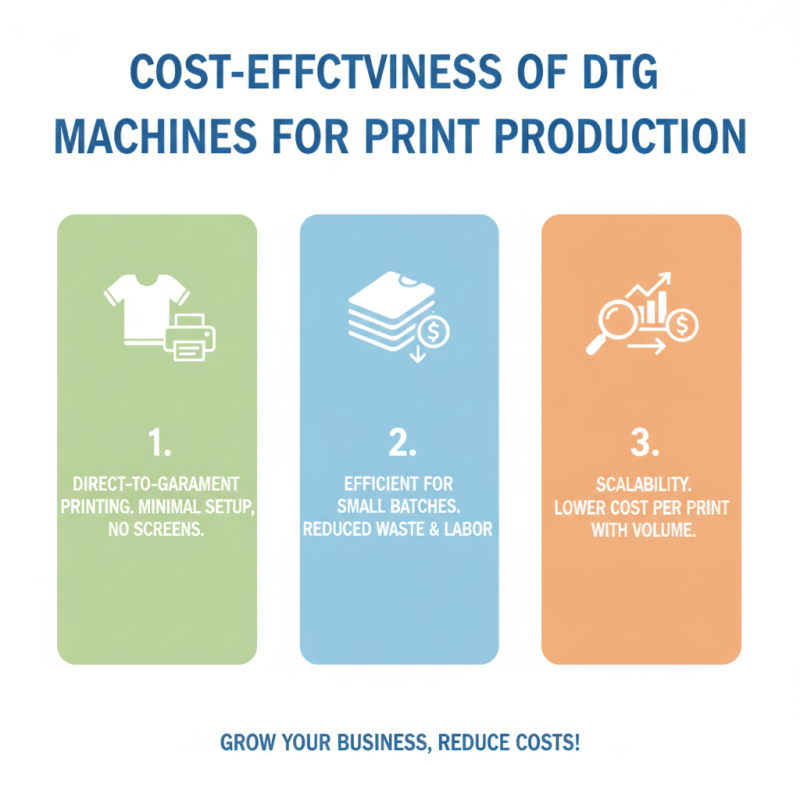
When exploring options for your print business, DTG machines offer notable cost-effectiveness. These machines allow direct printing on garments, reducing the need for extensive setup. This means you can efficiently handle small orders without incurring high costs. The price per print decreases as you increase production, making it an attractive option for growing businesses.
Tips: Consider investing in quality inks. Cheaper inks may compromise the final product's quality. Research multiple suppliers to find the best deals.
Maintenance costs are relatively low with DTG machines. Regular cleaning and minor repairs can ensure longevity. However, owners often overlook routine maintenance. Neglect can lead to costly repairs down the line. It’s essential to stay proactive.
Tips: Schedule regular maintenance checks. Create a maintenance log to track any issues that arise.
DTG printing technology continues to evolve, influencing overall production costs. As new models emerge, features can enhance efficiency. It's worth keeping an eye on these developments. However, the initial investment can feel daunting for newcomers. Balancing options between traditional and DTG is vital for optimized growth.
Quality Comparison: DTG Printing vs. Traditional Methods
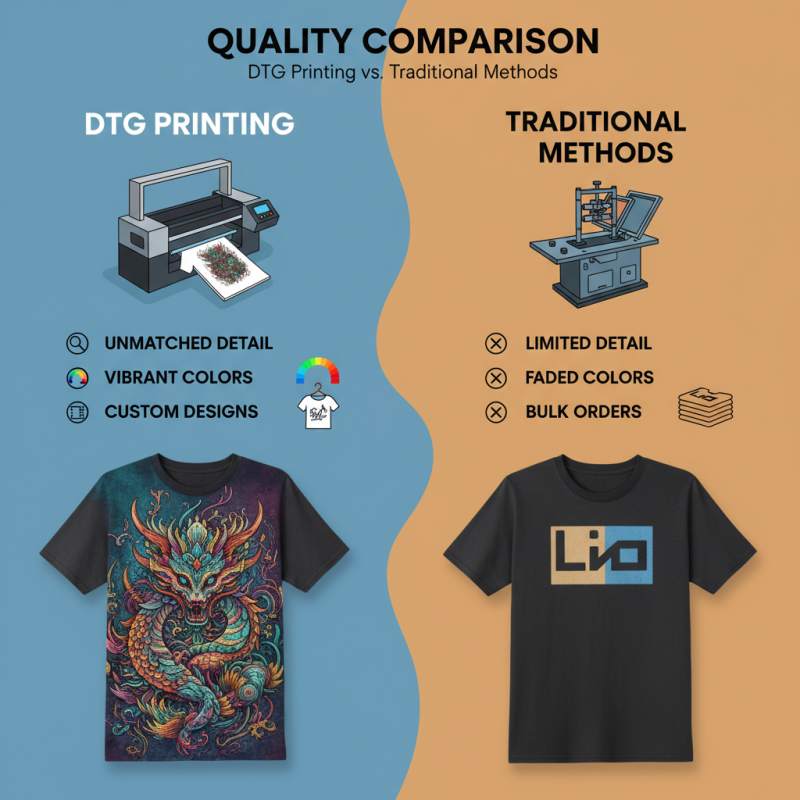
Direct-to-Garment (DTG) printing introduces a fresh standard in quality when compared to traditional methods. With a DTG Printer For T-Shirt Printing Machine, the detail captured on fabric is often unmatched. Colors remain vibrant and the designs can incorporate intricate details. This is particularly appealing for brands focusing on custom or one-off designs.
Traditional methods, like screen printing, may excel in bulk production efficiency. However, they struggle with intricate images and color gradients. Each screen can limit the design possibilities, which often leads to compromises. On the other hand, DTG printing allows businesses to produce personalized items without the need for large batches, accommodating diverse customer demands.
Despite its many advantages, DTG printing comes with challenges. The investment can be significant, and maintenance is crucial. A poorly calibrated machine can lead to inconsistent quality. Business owners must be prepared to stay engaged with the technology. Regular training and updates may be necessary to ensure the best results. Balancing these factors while striving for exceptional quality can be demanding, but the potential for growth is undeniable.
Flexibility and Customization Options Offered by DTG Printing
DTG printing offers remarkable flexibility and customization options that can elevate your print business. With a DTG Machine, you can print complex designs directly onto fabrics. This means you can easily accommodate customer requests for bespoke and one-of-a-kind pieces. A study indicates that 64% of consumers prefer customized products, highlighting the market demand for personalized items.
The versatility of DTG machines extends to various materials, allowing you to print on cotton, polyester, or blends without retooling. This adaptability is essential for businesses aiming to capture different market segments. Reports show that DTG printing has seen a growth rate of 25% annually. This trend indicates that print businesses leveraging DTG technology can stay competitive.
Tips: Always test your DTG machine settings before a large run. This prevents wasted materials and ensures quality. Track your design requests to identify the most popular styles, which can inform your future stock and marketing strategies. Analyzing customer feedback can reveal areas for improvement in your offerings. It’s also essential to periodically review your production process for any inefficiencies that might hinder your growth potential.
Market Trends Driving the Adoption of DTG Machines
The print industry is undergoing a transformation. Digital printing, especially Direct-to-Garment (DTG), is gaining momentum. Consumers prefer personalized and unique designs. This trend drives businesses to adopt DTG machines. They provide flexibility and cater to niche markets. With custom products becoming the norm, DTG technology offers an edge over traditional methods.
Market research shows that online sales of custom apparel continue to rise. Younger consumers are particularly drawn to personalization. DTG machines can print intricate designs with vibrant colors. They allow for quick turnarounds, which is crucial in a fast-paced market. Businesses that adopt DTG can respond swiftly to changing customer preferences. This adaptability fuels growth in print businesses.
However, integrating DTG machines requires careful consideration. They have high initial costs and maintenance needs. Not every business is ready for this leap. Companies must assess their production capabilities realistically. Balancing creativity with operational efficiency can be challenging. Successful implementation depends on understanding both the technology and market dynamics.
Market Trends Driving the Adoption of DTG Machines
Tips for Choosing the Right DTG Machine for Your Business Needs
When selecting a direct-to-garment (DTG) machine, it’s crucial to consider your specific business needs. A variety of factors come into play, such as print quality, speed, and maintenance requirements. Ideally, look for a machine that offers high-resolution printing to ensure vibrant colors and sharp details. This is critical for customer satisfaction and repeat business.
You also need to evaluate the machine's speed. Businesses often face tight deadlines, so it's essential to choose a DTG machine that aligns with your production rate. Test the machine's capabilities by printing a sample batch. This provides insight into the machine's performance and potential bottlenecks. Maintenance is another aspect of your decision. Some DTG machines may require more frequent upkeep than others, affecting productivity over time.
Consider your long-term goals. Will you expand your product line? Choose a machine that can adapt to various fabric types. Researching user reviews can provide real-world insights into the reliability of different models. Keep in mind that your initial choice might not fit forever. Be prepared to reassess as your business evolves. Balancing all these factors can be challenging, but it’s worth the effort to ensure your DTG machine supports your growth effectively.
Revolutionize Your Printing Business with the Enjet T2-Pro DTG Printer: A Comprehensive Guide
In the fast-evolving world of textile printing, businesses are continually seeking innovative solutions to enhance productivity and meet customer demands. The Enjet T2-Pro DTG printer stands out as a game changer, offering a unique approach to direct-to-garment printing. With its plate-free printing technology and one-click operation, this printer eliminates the tedious processes traditionally associated with garment printing, allowing businesses to focus on creativity and efficiency.
The direct-to-garment printing market is projected to reach $4.9 billion by 2027, growing at a compound annual growth rate (CAGR) of 11.5% from 2020. This growth is fueled by the increasing demand for customized apparel and sustainable printing practices. The Enjet T2-Pro aligns perfectly with these trends, enabling users to print with both white and color inks simultaneously, which significantly enhances color vibrancy and design flexibility. Businesses can print as they want and design as they like, responding swiftly to market trends and customer preferences.
Moreover, the T2-Pro incorporates advanced features such as automatic alarms and high stability, ensuring consistent quality and reducing downtime. This robustness is critical in a competitive landscape where reliability can make or break a business. By adopting such innovative technology, printing companies can not only streamline their operations but also position themselves as leaders in a rapidly growing market, ready to meet the demands of future customers.
FAQS
: The rise in demand for personalized and unique designs is driving DTG machine adoption.
Consumers are attracted to custom products and the ability to personalize their apparel.
DTG machines provide more flexibility and cater to niche markets than traditional printing methods.
Businesses must evaluate initial costs, maintenance needs, and their production capabilities realistically.
High-resolution printing is crucial for vibrant colors and sharp details, impacting customer satisfaction.
A faster machine is essential to meet tight deadlines and keep pace with customer demands.
Testing the machine with a sample batch helps identify potential bottlenecks in performance.
Some machines require more frequent maintenance, which can affect overall productivity.
User reviews offer real-world insights into the reliability and performance of various models.
Yes, be prepared to reassess your choice as your business needs and product line evolve.
Conclusion
The article "Why Choose DTG Machine for Your Print Business Growth?" explores the advantages of incorporating Direct-to-Garment (DTG) printing technology into print businesses. It highlights the numerous benefits of DTG printing, such as superior quality, cost-effectiveness, and the flexibility it offers for customization. By understanding how DTG machines operate and their technological advancements, businesses can optimize their production processes.
Additionally, the article compares the quality of DTG printing with traditional methods and discusses market trends that are driving the adoption of DTG machines. It also provides valuable tips for selecting the right DTG machine to meet specific business needs. Emphasizing these elements, the article serves as a guide for print businesses looking to leverage DTG technology for growth and success in a competitive market.