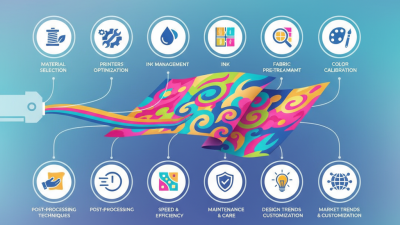
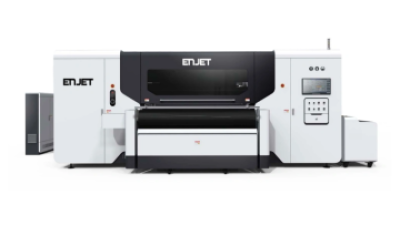
In the rapidly changing world of textile printing, picking the right Digital Garment Printer is kind of a big deal. Everyone in the industry seems to agree that staying innovative is key to staying ahead. I remember John Smith from PrintTech Solutions saying, "The future of fabric printing really depends on what digital machines can do." It’s pretty much spot on.
Digital Garment Printers are game-changers when it comes to flexibility and customization. They let designers bring their wildest ideas to life without much hassle. But honestly? Sifting through all those options in the market can feel overwhelming. I’ve heard from many folks who got frustrated because of the sheer number of choices and inconsistent quality levels. That’s why it’s super important to do your homework—strike a balance between what’s affordable and what actually works well.
When you’ve got some good guidance, it’s easier to find a printer that matches your vision. Features like precise color accuracy and decent speed really matter. Even seasoned professionals run into hiccups now and then, though. It’s a good reminder that, even in this high-tech field, there’s always room to learn and grow. Basically, choosing the right printer isn’t just about specs — it’s about understanding what will help you create your best work.
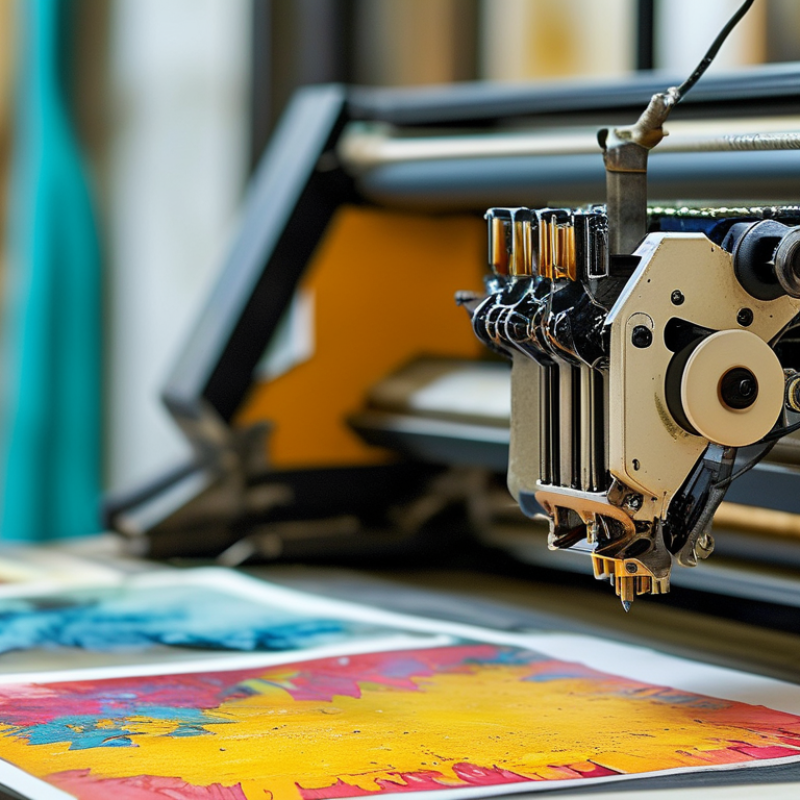
Understanding Digital Garment Printers: Definition and Technology Overview
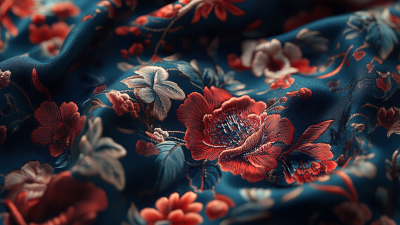
Digital garment printers are transforming the fashion and apparel industry. They enable designers to print high-quality images directly onto fabric. This process, known as direct-to-garment printing, offers flexibility and creativity. Artists can experiment with complex designs, colors, and textures without the limitations of traditional methods.
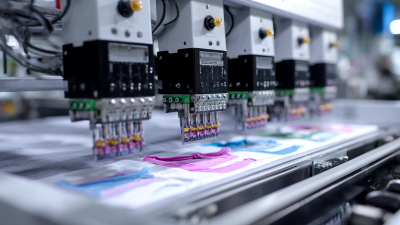
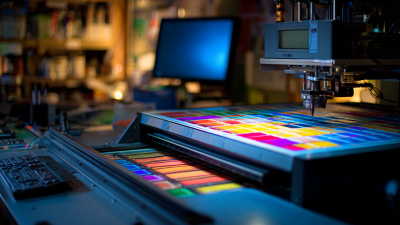
Understanding this technology is essential for anyone in the apparel business. Digital Direct To Garment Printers use specialized Inkjet technology. They apply water-based inks, ensuring vibrant colors and eco-friendly options. The level of detail is impressive, with the ability to capture subtle gradients and intricate patterns. However, achieving consistent results does require regular maintenance and calibration. Users must invest time in understanding the printer's capabilities and limitations.
Despite its advantages, digital garment printing has some challenges. Color matching can be tricky, and not all fabrics yield optimal results. Operators often encounter issues with ink adhesion, which affects durability. These imperfections highlight the learning curve involved in mastering this technology. As the industry evolves, ongoing education will be vital for maximizing the potential of digital direct to garment printers.
Key Features to Consider When Choosing a Digital Garment Printer
When selecting a digital garment printer, key features play a crucial role. Print quality is paramount. Look for printers that deliver sharp, vibrant colors. High resolution ensures your designs appear crisp. Color accuracy can significantly impact the final product. These traits are vital for professional results.
Speed is another critical aspect. Fast printing capabilities can boost productivity. However, be wary of printers that sacrifice quality for speed. It’s essential to find a balance. Additionally, consider the printer's versatility. Some models can handle various fabrics and materials. This flexibility allows for creative freedom in design.
User-friendliness matters too. Intuitive interfaces can enhance the printing experience. Easy maintenance features can save time. Don’t overlook the support and warranty offered with the printer. Reliable customer service is invaluable. This can alleviate stress when facing technical issues. It's always wise to research and reflect on each feature before making a purchase decision.
Market Leaders: Top Digital Garment Printer Brands in 2023
In 2023, the digital garment printing industry continues to evolve at a rapid pace. Market leaders highlight trends that define innovation. According to a recent report by a leading industry analyst, the digital printing market is expected to grow at a CAGR of 12% over the next five years. This growth is driven by increasing demand for custom apparel and short production runs.
Several brands are noted for their exceptional quality and technology in digital garment printing. These players have made significant investments in research and development, focusing on sustainability and efficiency. The latest printers offer high-resolution outputs and vibrant color ranges. As per insights from the Digital Textile Printing Report, brands utilizing eco-friendly inks and materials are gaining traction, reflecting a shift in consumer preferences towards sustainable options.
However, the market is not without challenges. Some manufacturers face issues with long lead times and equipment maintenance. Additionally, quality control can vary widely among different models, leading to inconsistencies in production. This indicates that while the technology improves, there is still a need for rigorous standards and evaluations. Investing in training for operators also becomes crucial to harness the full potential of advanced digital printers.
Comparative Analysis: Print Quality and Speed Across Major Models
When considering digital garment printers, print quality and speed are crucial for global buyers. Different models can produce varying results. For example, some machines deliver sharp details, while others may struggle with color consistency. High-resolution printing is essential for intricate designs. Buyers need to examine their specific needs before making a choice.
Speed is another vital factor. Some printers can produce a large volume in a short time, but they might sacrifice quality. Slower models often provide better resolution, which is crucial for premium products. Understanding the balance between speed and quality is key. Each buyer should evaluate their priorities carefully.
It’s important to review user experiences and product specifications. Not all models perform the same under different conditions. Real-world testing often reveals inconsistencies not apparent in marketing materials. Investing time in research can make a significant difference in outcomes. Buyers should also consider potential maintenance issues, as these can impact long-term performance and cost.
Cost-Benefit Analysis: Investment vs. Production Capacity
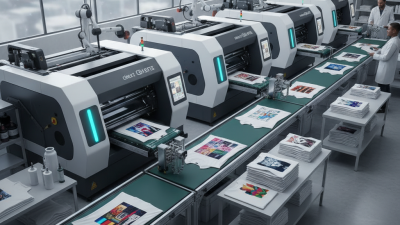
Investing in Digital Garment Printing technology requires careful evaluation. The initial cost of digital printers can be daunting. However, assessing this against their production capacity reveals a different perspective. High-quality digital printers often yield faster production speeds. They enable a more responsive approach to customer demands, which can be invaluable.
Maintenance costs are a consideration as well. While some printers may have low upfront costs, their long-term reliability is crucial. A printer that frequently requires repairs can diminish overall productivity. You might find yourself caught in a cycle of unexpected expenses. Therefore, analyzing tools in the context of their lifecycle helps make informed decisions.
Furthermore, think about scalability. As your business grows, will your equipment keep up? A printer's versatility also plays a role in its value. Some printers can handle various fabric types, enhancing your service offerings. However, not every machine performs well under diverse conditions. Digging deeper into specific features can reveal strengths and weaknesses critical for your business. Understanding these nuances will guide a more strategic investment in Digital Garment Printing.
Sustainability in Digital Printing: Eco-Friendly Practices and Innovations
Sustainability is becoming essential in Garment Digital Printing. Many companies are adopting eco-friendly practices. They focus on reducing waste and energy consumption. This shift reshapes the industry landscape. Innovative technologies play a vital role in this transformation.
Water-based inks are gaining popularity. They minimize pollution and are safer for workers. Recycled materials in fabric production have also emerged. These materials reduce reliance on virgin resources. Brands are exploring biodegradable options, which enhance the sustainability of digital printing. However, the production process still requires careful attention to minimize environmental impact.
The challenge remains in balancing efficiency and sustainability. Transitioning to greener practices isn't always straightforward. Some companies struggle with costs associated with these changes. There’s also the question of durability. Ensuring printed garments withstand use is crucial. Industries must continually assess their methods. Only by embracing new innovations can they achieve sustainable goals.
Top Digital Garment Printers for Global Buyers Guide
This bar chart illustrates various evaluation metrics for digital garment printers, highlighting sustainability, print speed, color range, cost efficiency, and user-friendliness. Each metric is rated on a scale from 0 to 100, showcasing the strengths of modern digital printing technologies.
Future Trends in Digital Garment Printing Technology and Market Growth
The digital garment printing industry is rapidly evolving, driven by innovation and market demands. Trends indicate that personalization and sustainability will define future growth. Customers increasingly seek unique prints, which poses challenges for traditional methods. Digital Direct To Garment (DTG) technology offers a solution, allowing for intricate designs with minimal waste. This shift implies that businesses must adapt quickly to remain competitive.
Incorporating digital techniques enhances flexibility. Companies can produce small runs efficiently, catering to niche markets. As customization becomes a priority, investment in technology is crucial. However, while adopting these advancements, businesses may face a steep learning curve. Implementing new software or machinery could bring unexpected hurdles. Staying informed about market trends is essential but requires ongoing effort.
Tips: Invest in training for staff on new equipment. This helps maximize the potential of digital garment printers. Regularly assess market demand; it guides production strategies. Monitor advancements in DTG technology; staying updated can prevent obsolescence. Engage with customers to understand their preferences; feedback drives innovation and growth.
Unlocking Creativity: Elevate Your Projects with the Digital Belt Printer YSR1832
In the dynamic world of textile printing, creativity knows no bounds. The Digital Belt Printer YSR1832 stands as a testament to innovation, providing users with the tools necessary to elevate their projects significantly. Designed with precision in mind, it boasts a solid and stable body structure that enhances performance while ensuring durability. This machine utilizes an industrial-grade GEN nozzle, setting a new standard in printing accuracy that meets the demands of professionals in the industry.
The versatility of the YSR1832 is a game-changer, as it is adept at printing on a wide variety of fabrics, including cotton, silk, wool, polyester, acetate, nylon, blended materials, and linen. This makes it an ideal solution for businesses seeking to solve order challenges efficiently, whether dealing with custom designs or bulk orders. The professional-grade progress and belt transmission system further streamline the printing process, allowing for high-quality outputs that capture the imagination and creativity of designers. With the Digital Belt Printer YSR1832, you can unlock new levels of artistic expression and flexibility in your fabric projects.
FAQS
: Increasing demand for custom apparel and short production runs is fueling growth.
The market is predicted to grow at a CAGR of 12% over the next five years.
They focus on sustainability, efficiency, and quality through significant R&D investments.
Consumer preferences are shifting towards sustainable options, driving brands to adopt eco-friendly materials.
Long lead times, equipment maintenance issues, and varying quality control can affect production consistency.
Companies need to invest in technology to efficiently produce small, customized runs.
There may be a steep learning curve when implementing new software or machinery.
Training staff on new equipment is crucial for effective use of digital printers.
Regularly assessing market demand and gathering customer feedback can guide production strategies.
Keeping updated on advancements in digital printing technology helps prevent obsolescence.
Conclusion
The article "Top Digital Garment Printers for Global Buyers Guide" delves into the essential aspects of digital garment printers, providing a comprehensive overview of their definition and technological advancements. It highlights critical features to consider when selecting a digital garment printer, including print quality, speed, and production capacity, as well as sustainability practices that have emerged within the industry. Additionally, the article discusses the current market landscape, identifying leading brands and conducting a comparative analysis of different models, allowing prospective buyers to make informed decisions based on their needs.
Furthermore, the content emphasizes the importance of cost-benefit analysis when investing in a digital garment printer, exploring the balance between initial expenditure and production efficiency. It also looks ahead to future trends in the digital garment printing market, forecasting growth opportunities and innovations that will shape sustainable practices and technological enhancements in the coming years.