
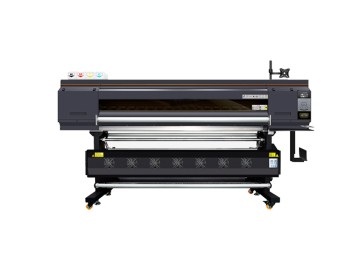
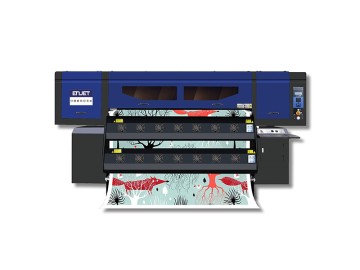
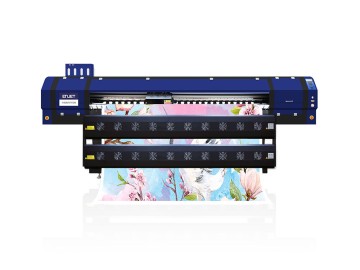
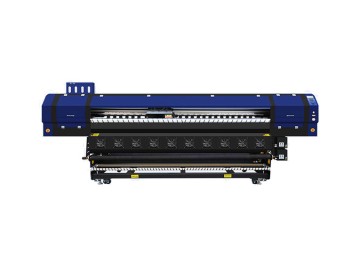

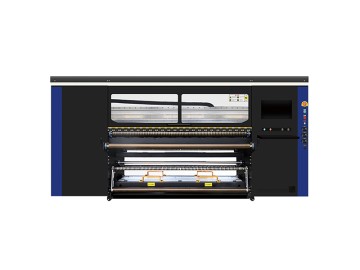
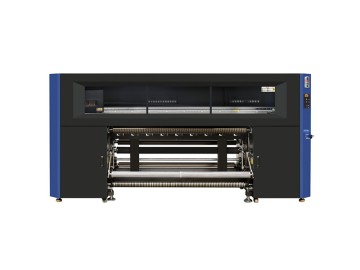
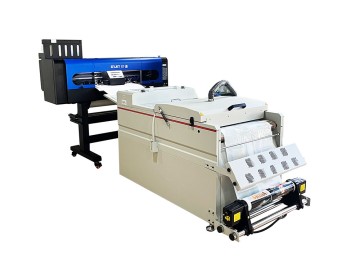
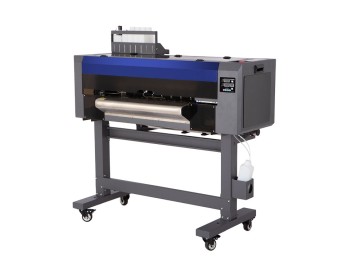
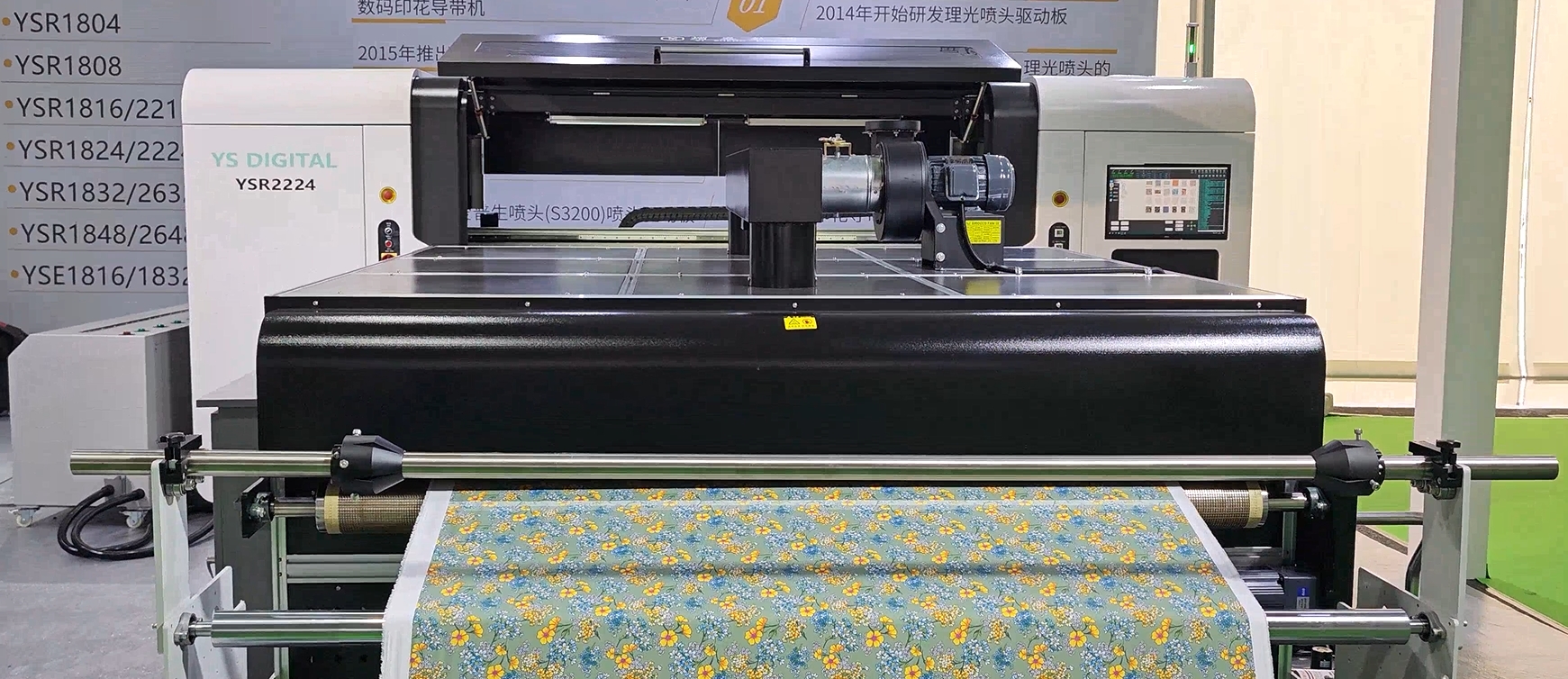
China Digital Belt Printer YSR1832 - High-Quality Fabric Printing Solutions from Reliable Suppliers and Factory
Frequently Asked Questions
What materials can the 2025 High-speed Digital Textile Printer handle?
The 2025 fabric guide printer is highly versatile and designed to handle a wide variety of textiles, including cotton, silk, polyester, and complex blends. Its advanced material handling system ensures optimal ink absorption and fabric stability across different textures.
How does the fabric guide system improve printing accuracy?
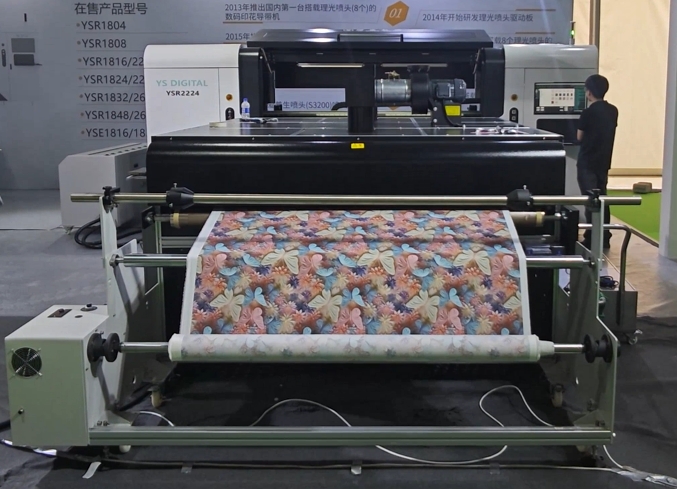
The integrated fabric guide system uses precision tension control and automated alignment sensors to prevent the fabric from shifting or wrinkling during the high-speed printing process. This guarantees sharp details, perfect registration, and consistent patterns from edge to edge.
What is the maximum production speed of this 2025 model?
Engineered for industrial-scale production, this high-speed digital textile printer significantly reduces turnaround times. While exact speeds vary depending on the selected resolution and fabric type, it is optimized to deliver high-volume continuous output without compromising print quality.
Is this digital textile printer suitable for eco-friendly printing?
Yes, the printer is compatible with eco-friendly, water-based, and low-VOC inks. Digital textile printing inherently reduces water consumption and chemical waste compared to traditional dyeing methods, making it a sustainable choice for modern textile manufacturing.
Can this printer be used for small-batch custom fabric production?
Absolutely. One of the main advantages of digital textile printing is the lack of setup costs associated with traditional screens. This makes the 2025 high-speed printer highly cost-effective for both large-scale industrial runs and small-batch, print-on-demand custom orders.
What maintenance is required for the high-speed printheads?
The printer features an automated printhead cleaning and capping system that minimizes manual maintenance. Regular daily checks and routine software-driven cleaning cycles are usually sufficient to prevent clogging and ensure a long lifespan for the industrial printheads.