
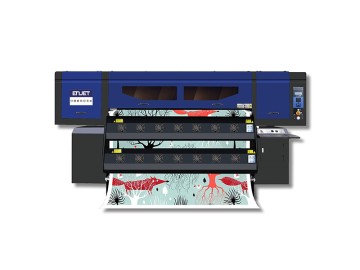
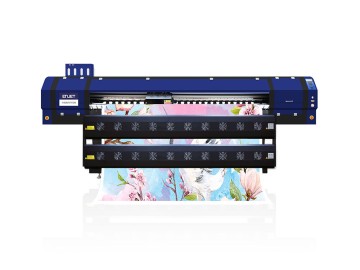




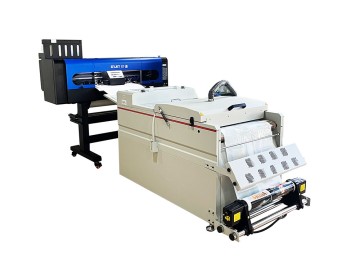


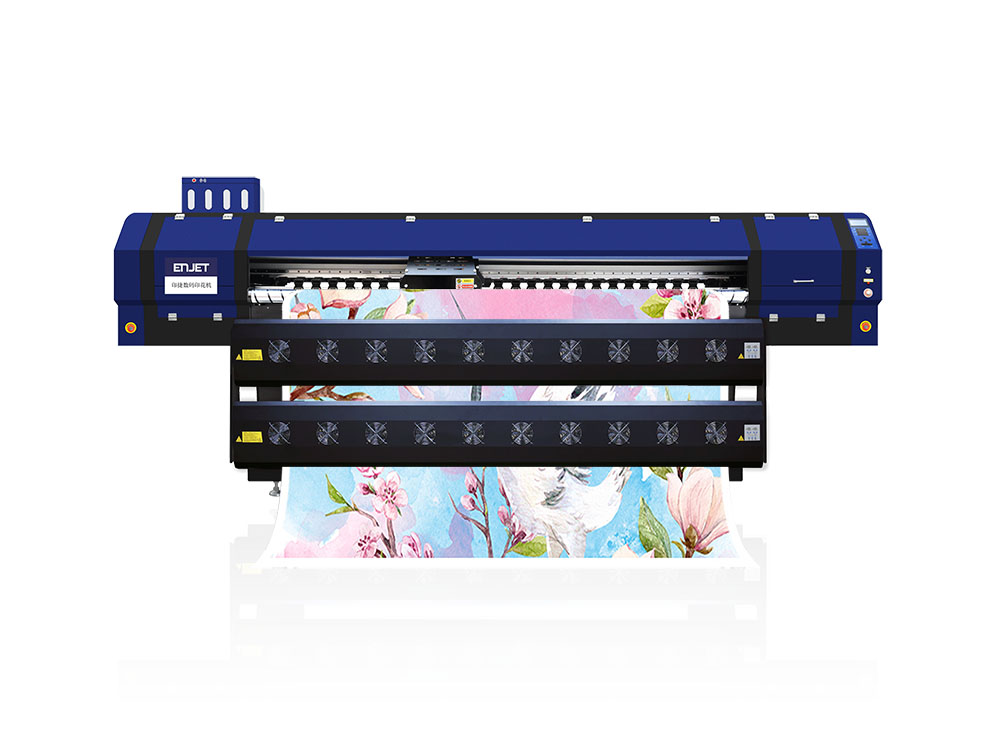

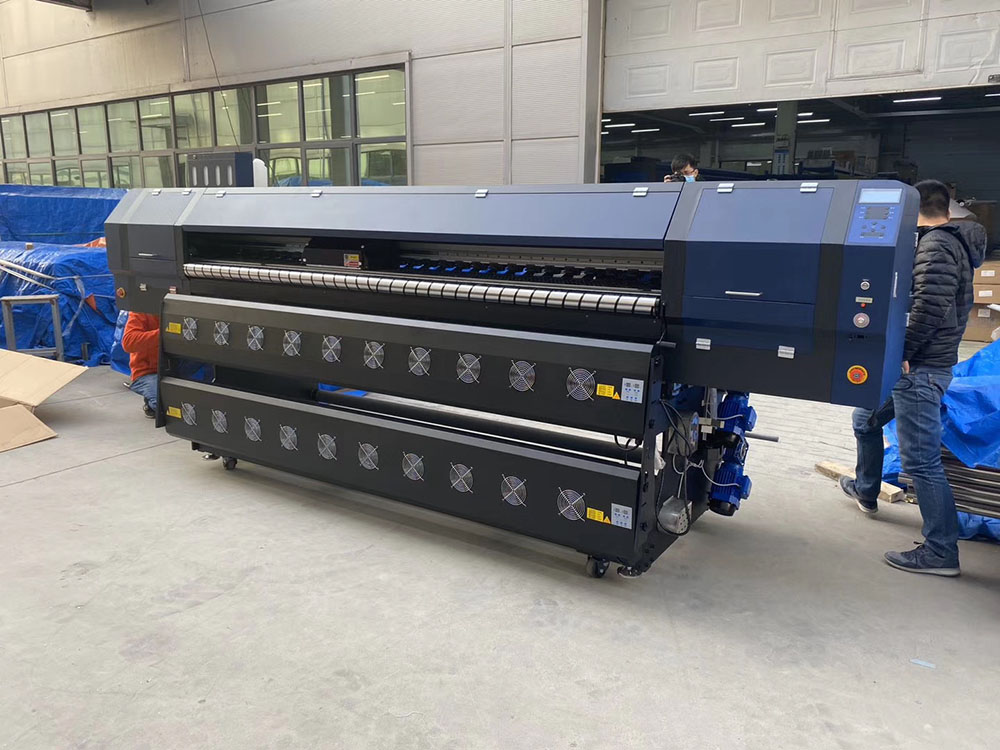
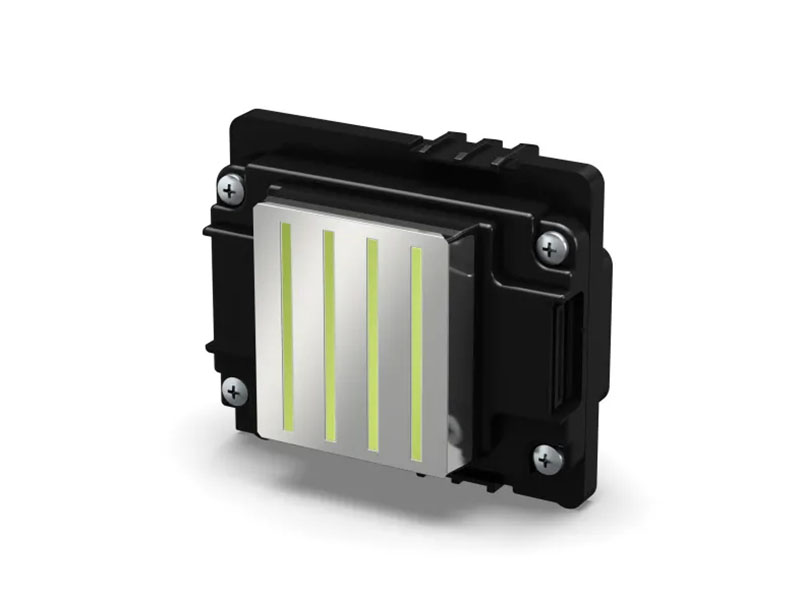
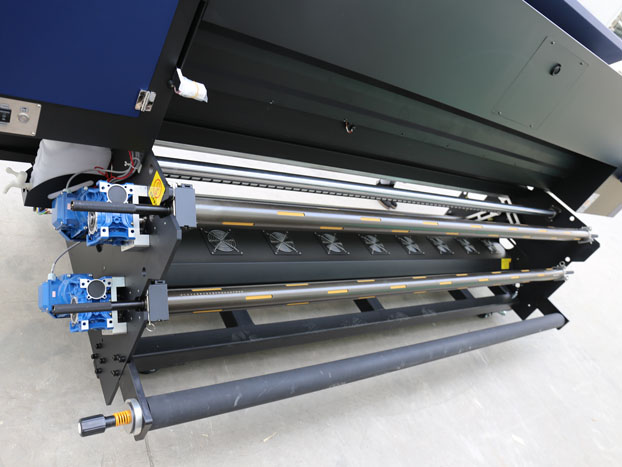
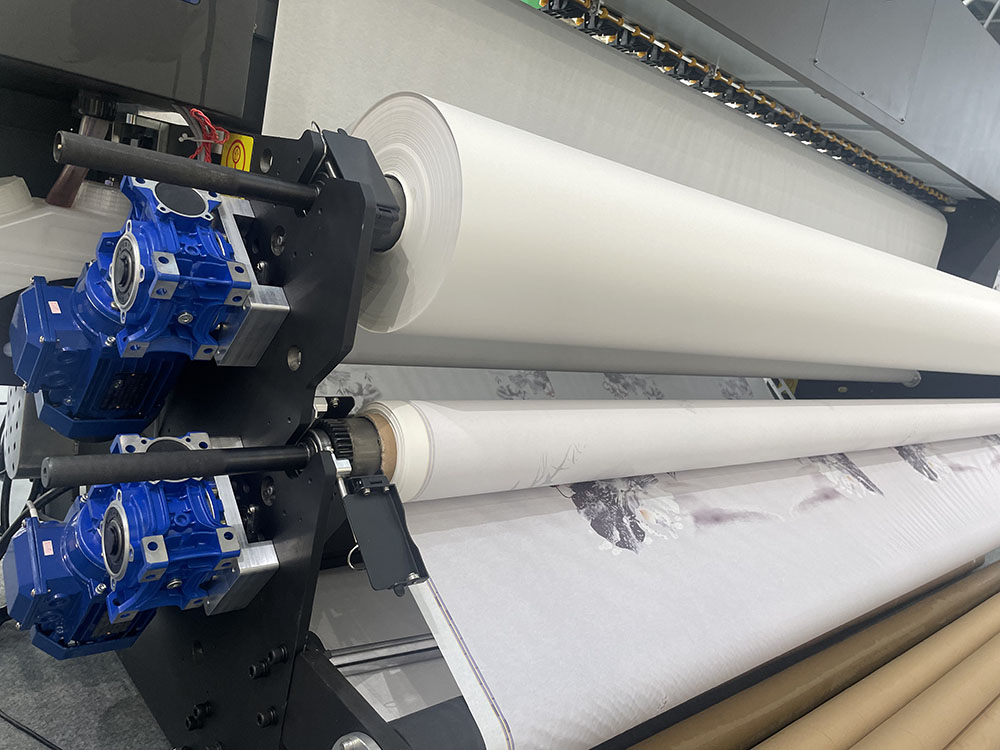
High-Speed Enjet E78-260 Digital Printer 340㎡/h - China Suppliers & Factory for Thermal Sublimation Printing
Creating a high-converting website requires a strategic blend of responsive web design and search engine optimization (SEO). In today's digital landscape, users expect seamless mobile experiences, fast loading times, and engaging visual layouts.
Key Elements of Modern Web Layouts
To ensure your web pages perform well on both desktop and mobile devices, it is critical to structure content using fluid grids, flexible images, and optimized media queries. This guarantees that your layout adapts dynamically to any screen resolution.
SEO Tip: Google uses mobile-first indexing. If your website does not render properly on mobile devices, your search engine visibility will decrease significantly.
Visual Asset Integration
High-quality visual content helps capture user attention and reduce bounce rates. Below is a demonstration of responsive image grids and media players designed to showcase your products or services effectively.


In addition to images, incorporating video content can dramatically increase dwell time, which is a positive signal for search engine ranking algorithms.
Strategic Optimization Checklist
To maximize your online presence, ensure that your web design workflow incorporates the following essential optimization practices:
- Compress Images: Use modern formats like WebP to reduce file sizes without sacrificing visual quality.
- Structured Data: Implement schema markup to help search engines understand your content better.
- Semantic HTML: Use clear tags to organize your page structure and improve accessibility.
Frequently Asked Questions
Q1: Why is mobile responsiveness crucial for SEO?
Google primarily uses the mobile version of a website's content for indexing and ranking. If your site is not mobile-friendly, it will negatively impact your search engine visibility and user experience.
Q2: How do images affect page loading speed?
Large, uncompressed images are one of the main causes of slow page load times. Compressing images and using modern formats like WebP helps maintain fast load speeds, which is a key ranking factor.
Q3: What is the purpose of image alt text?
Alt text describes the content of an image to search engine crawlers and visually impaired users. Including relevant keywords in alt text helps improve image search rankings and accessibility.
Q4: How does user dwell time impact search rankings?
Dwell time indicates how long a visitor stays on your site. Higher dwell times signal to search engines that your content is valuable and relevant, which can positively influence your search rankings.
Q5: What is semantic HTML and why should I use it?
Semantic HTML uses tags that clearly describe their meaning (like section, article, and aside) rather than generic tags like div. This helps search engine crawlers understand the structure and hierarchy of your content.
Q6: How does HTTPS encryption affect web optimization?
HTTPS is a confirmed ranking signal for Google. It encrypts user data, builds trust, and ensures secure communication, which contributes to a better overall user experience and higher search credibility.