
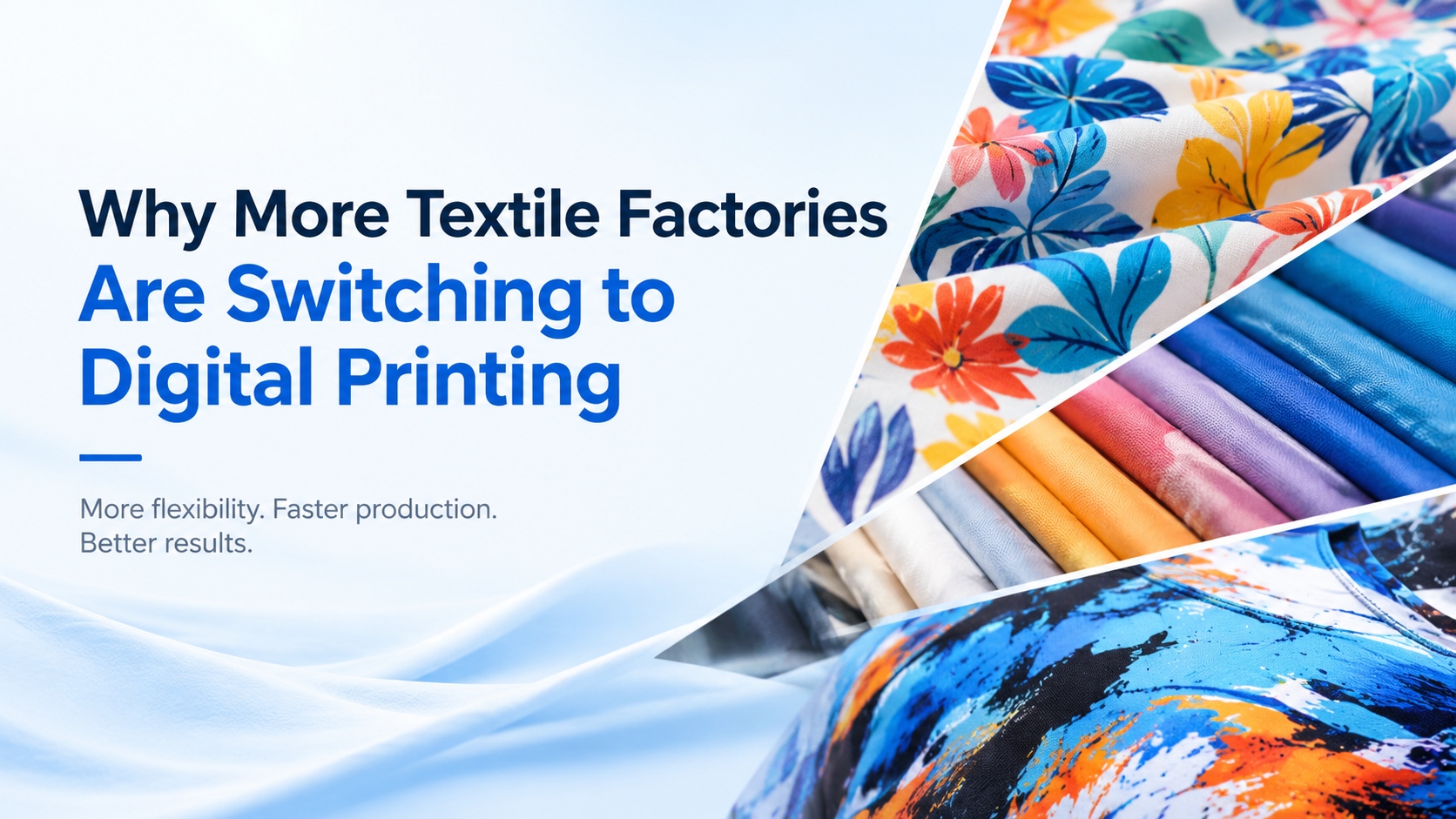

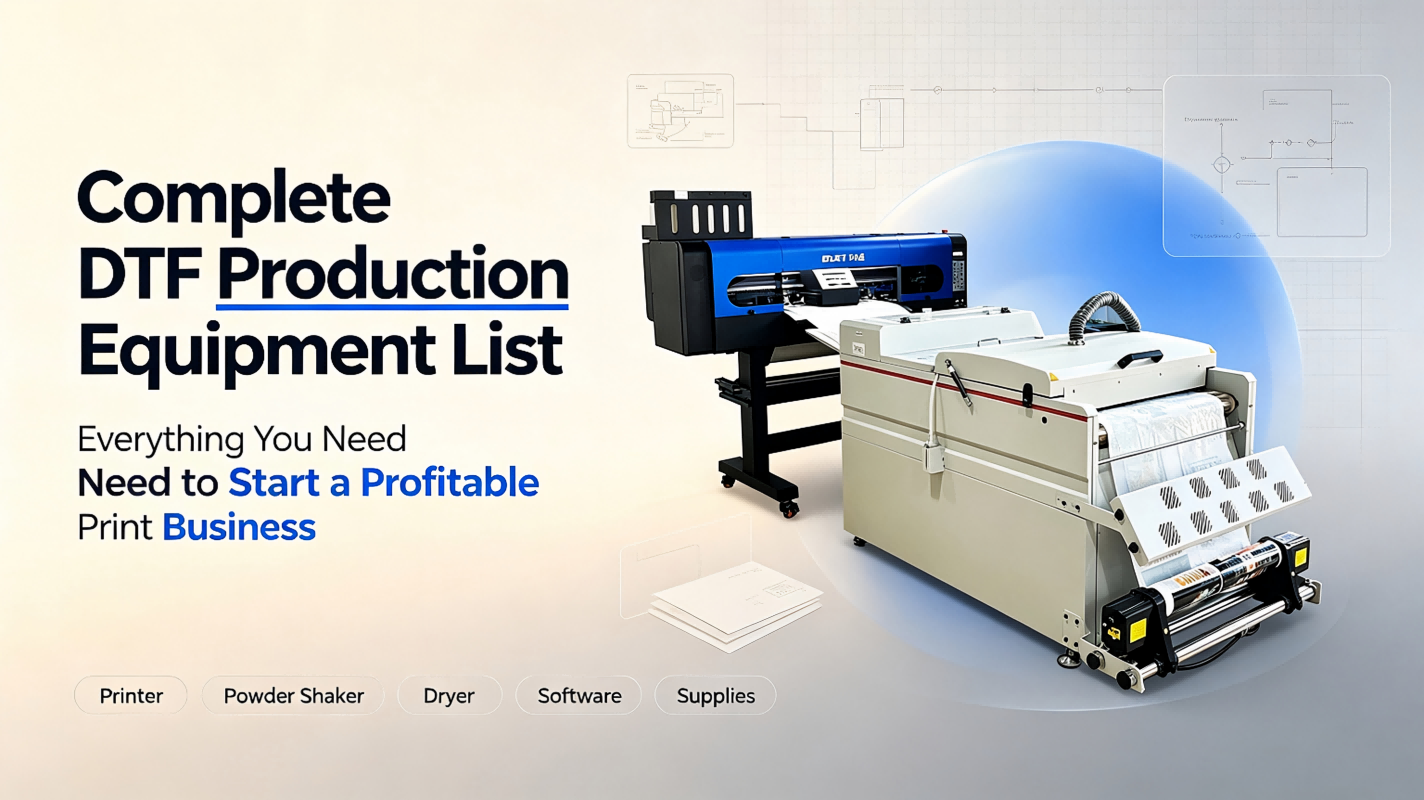
Why More Textile Factories Are Switching to Digital Printing?
The textile printing business is changing. Customers want more designs, smaller orders, and faster delivery. For textile factories, keeping up with these demands while controlling production costs is becoming increasingly important.
Traditional printing methods still have their place, especially for large-volume orders. But Digital Textile Printing offers a more flexible way to handle changing designs and different production needs. That's why more manufacturers are considering the switch.
1. More Flexibility for Different Orders
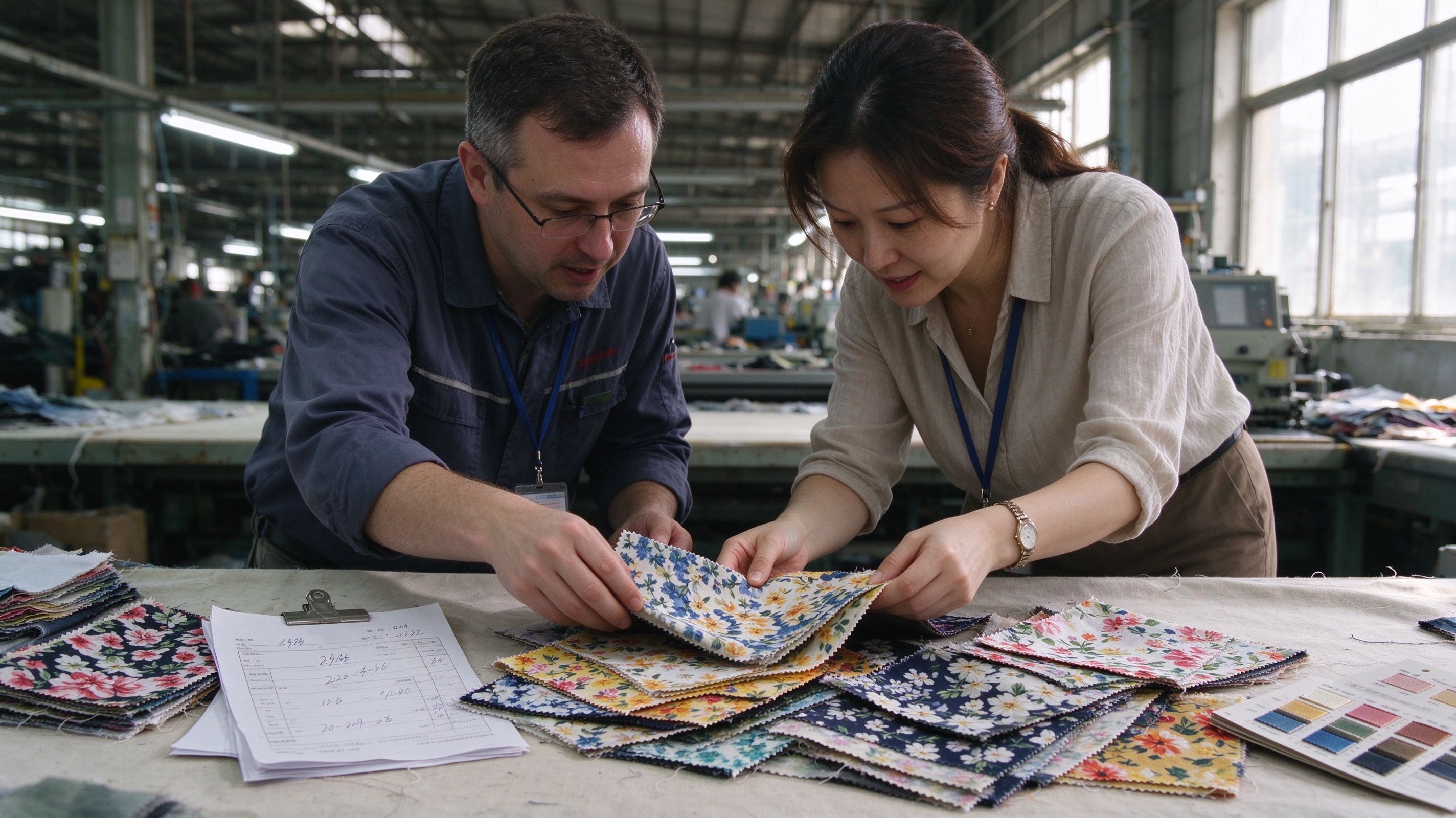
Not every customer needs thousands of meters of fabric with the same pattern. Fashion brands, sportswear manufacturers, and custom textile businesses often work with smaller batches and frequent design changes.
With Digital Printing, designs can be sent directly from digital files to the printer. There's no need to prepare a new screen for every design, making it easier to switch between patterns and handle short-run orders.
For factories working with a wide range of customers, this flexibility can make daily production much easier to manage.
2. Faster Changes from Design to Production
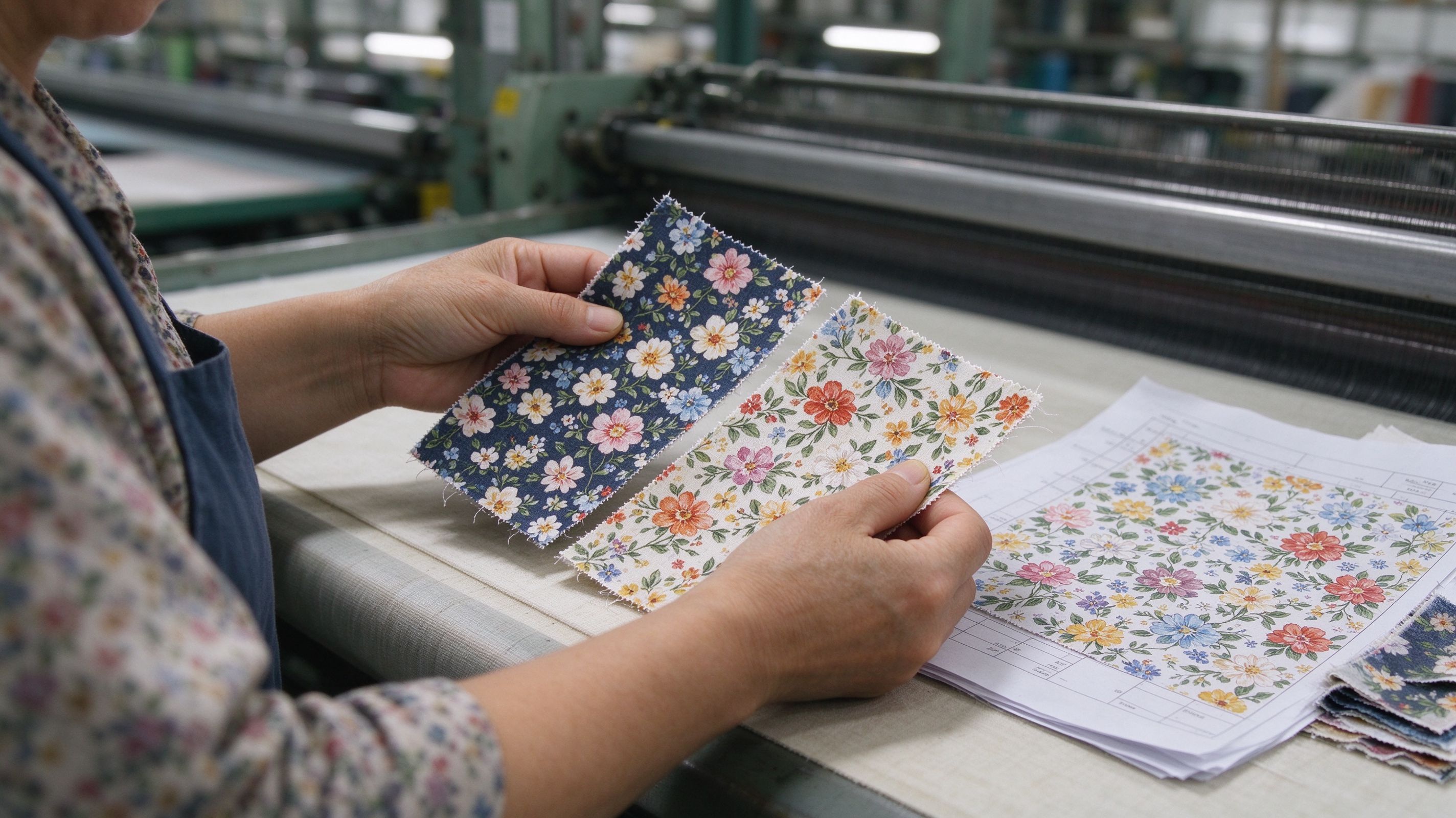
In textile printing, time spent preparing a job matters. When a customer requests a new pattern or needs a design updated, traditional screen printing may require additional preparation.
Digital printing simplifies this process. Operators can adjust the artwork digitally and send the updated file to the printer without making a new screen.
This is especially useful for seasonal collections, new product launches, and customers who frequently test different designs. Actual production speed still depends on the printer, fabric, and printing process, but reducing setup work can help factories respond to orders more efficiently.
3. More Possibilities for Creative Designs
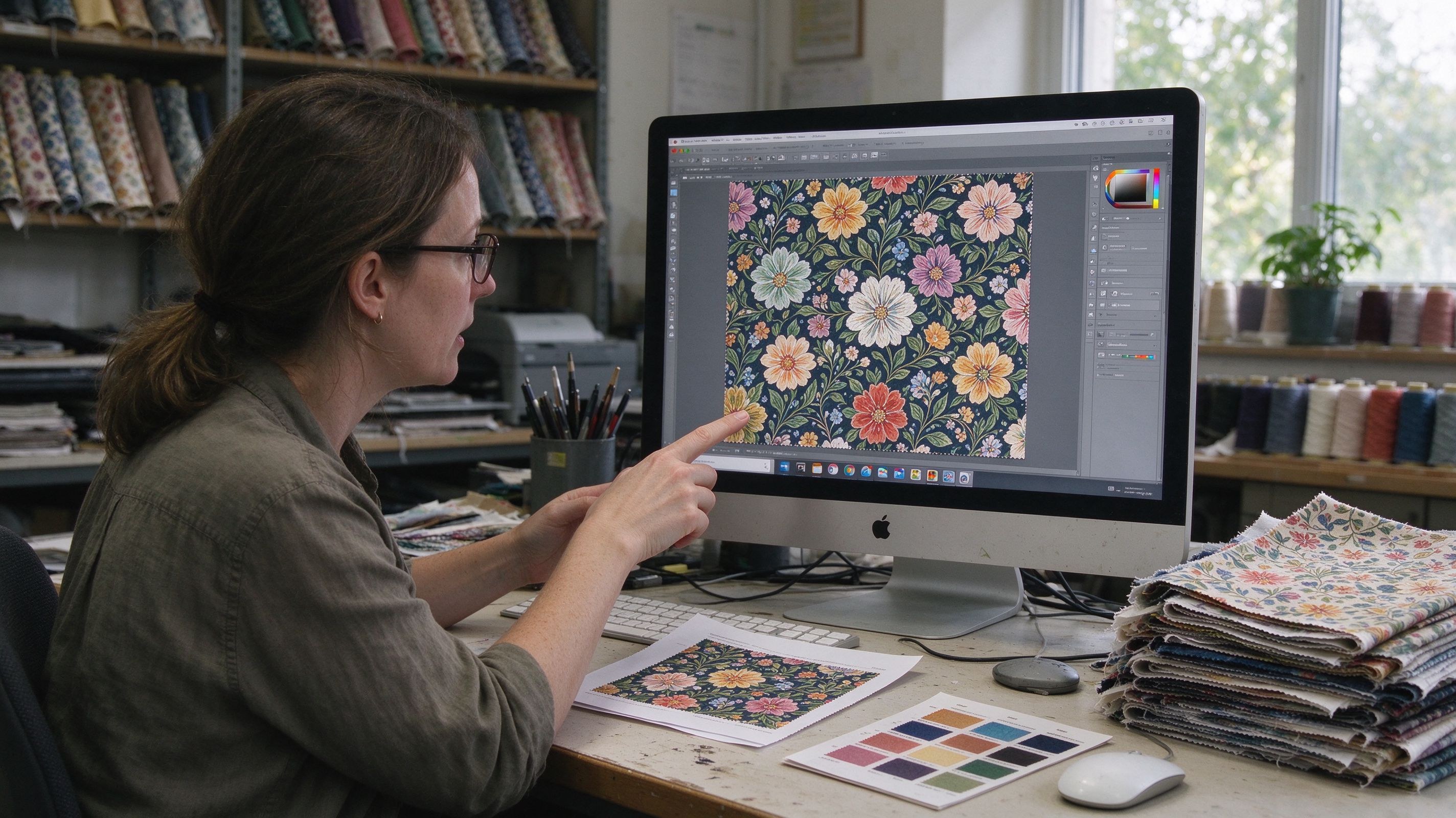
Today's textile customers often expect detailed patterns, smooth gradients, and rich colors. Digital printing makes it easier to reproduce complex artwork directly from digital files.
It also allows manufacturers to offer a wider variety of designs without preparing a separate screen for each one.
For applications such as fashion fabrics, sportswear, home textiles, and customized apparel, this creates more room for product development. Factories can test new patterns, adjust designs, and respond to customer preferences without making every change a complicated production task.
4. Better Control Over Production Costs
Cost is one of the biggest concerns for textile manufacturers. Digital printing can reduce certain setup costs and material waste, particularly when handling small batches or frequent design changes.
However, buying a Digital Printer doesn't automatically mean lower production costs. Ink consumption, energy use, maintenance, labor, and actual output all affect the final cost per meter or garment.
The key is to choose equipment that matches your production needs. A machine with the right configuration and capacity can help avoid unnecessary downtime and make better use of available resources.
5. More Options for Different Textile Applications
Digital textile printing isn't limited to one type of product. Different technologies serve different production needs.
-
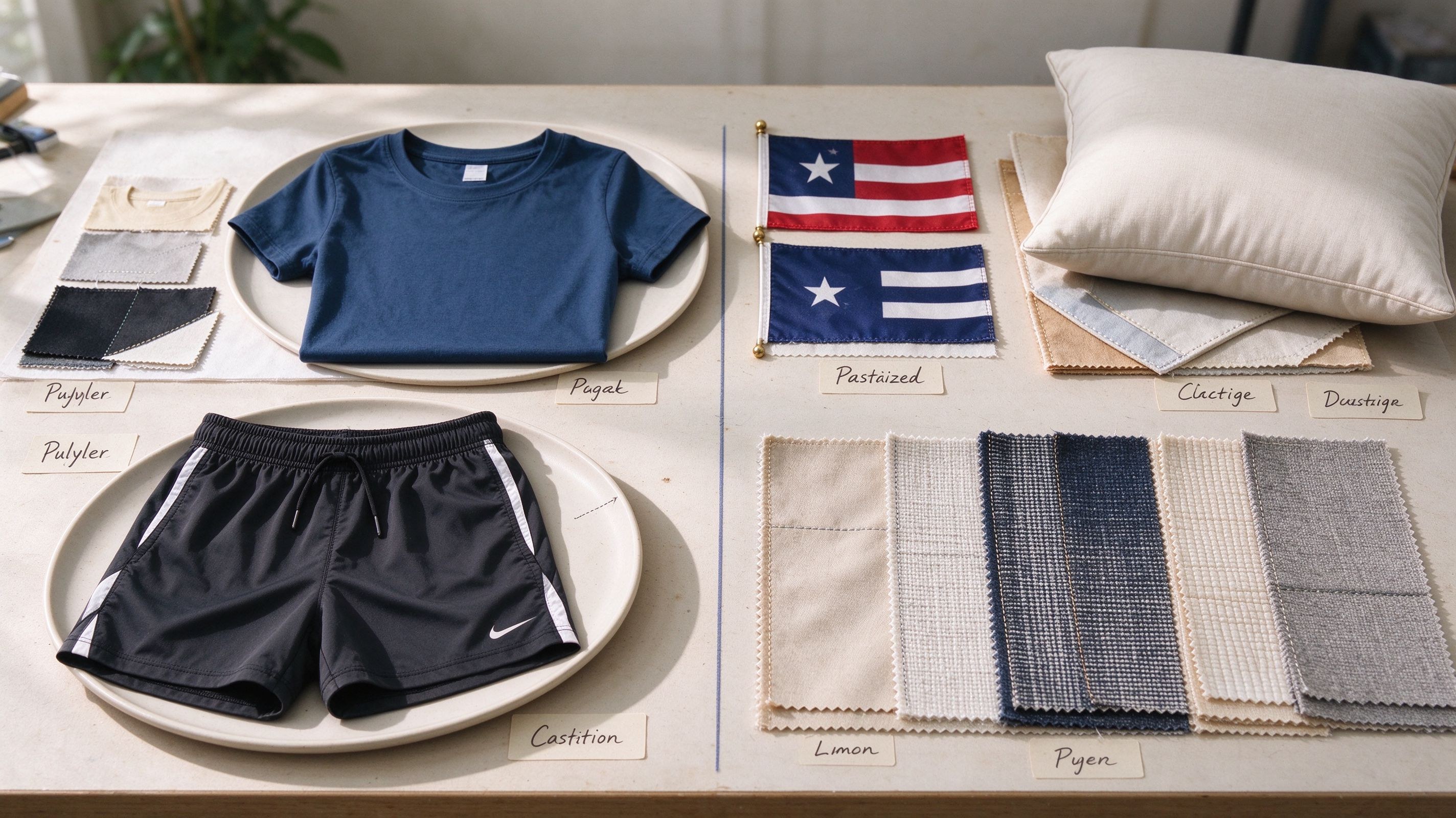
Sublimation printing: Commonly used for polyester fabrics, sportswear, flags, and promotional textiles.
-
Direct-to-fabric printing: Suitable for printing directly onto compatible fabrics, depending on the ink and required pretreatment.
-
DTF printing: Widely used for garment transfers, custom apparel, and print-on-demand businesses.
-
DTG printing: Designed for direct printing onto garments, particularly customized T-shirts.
Choosing the right technology depends on your materials, order volume, finished products, and production workflow. Understanding these differences before investing can help you avoid choosing a machine that doesn't fit your business.
Is It Time to Switch to Digital Textile Printing?
Digital printing isn't the best choice for every job. Traditional methods can still be competitive for large, standardized orders, while digital printing offers clear advantages when designs change frequently or smaller batches are common.
Before making a decision, consider your current order volume, fabric types, production targets, and operating budget. The goal isn't simply to buy a newer machine. It's to find a printing solution that works for your factory and your customers.
Find Your Digital Printing Solution with ENPRINTING
At ENPRINTING, we provide digital printing equipment for different textile and garment applications under our ENJET product brand. Our product range includes sublimation printers, DTF printers, DTG printers, and direct-to-fabric printing machines.
Whether you're upgrading an existing production line or exploring digital printing for the first time, choosing the right equipment starts with understanding your production needs.
Looking for a digital printing solution for your factory? Contact ENPRINTING to discuss your application and find the right equipment for your business.