


Solution News
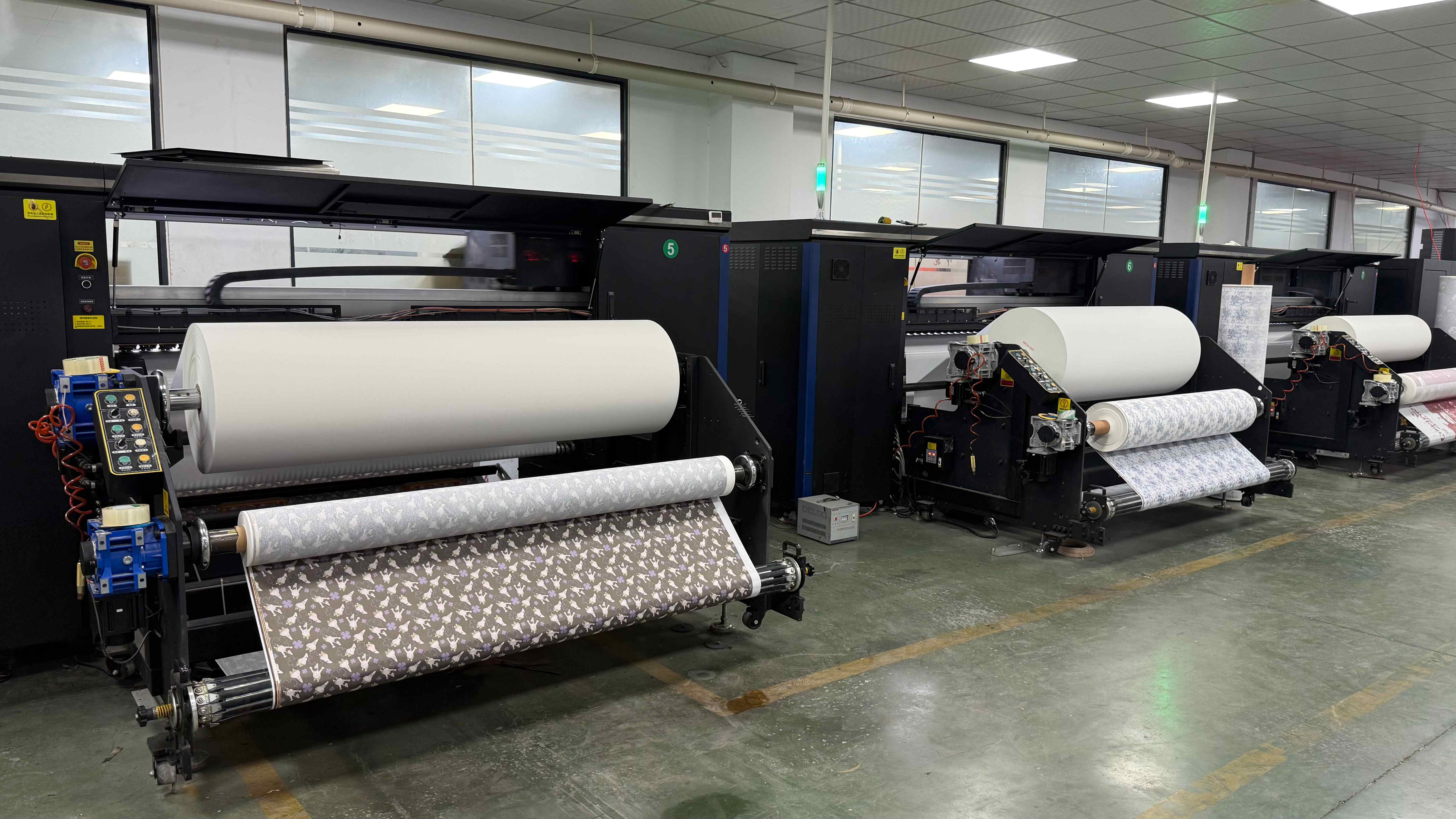
A Visit to a Printing Factory in Keqiao: Unveiling the High-Efficiency Production of ENJET Dye-Sublimation Printers
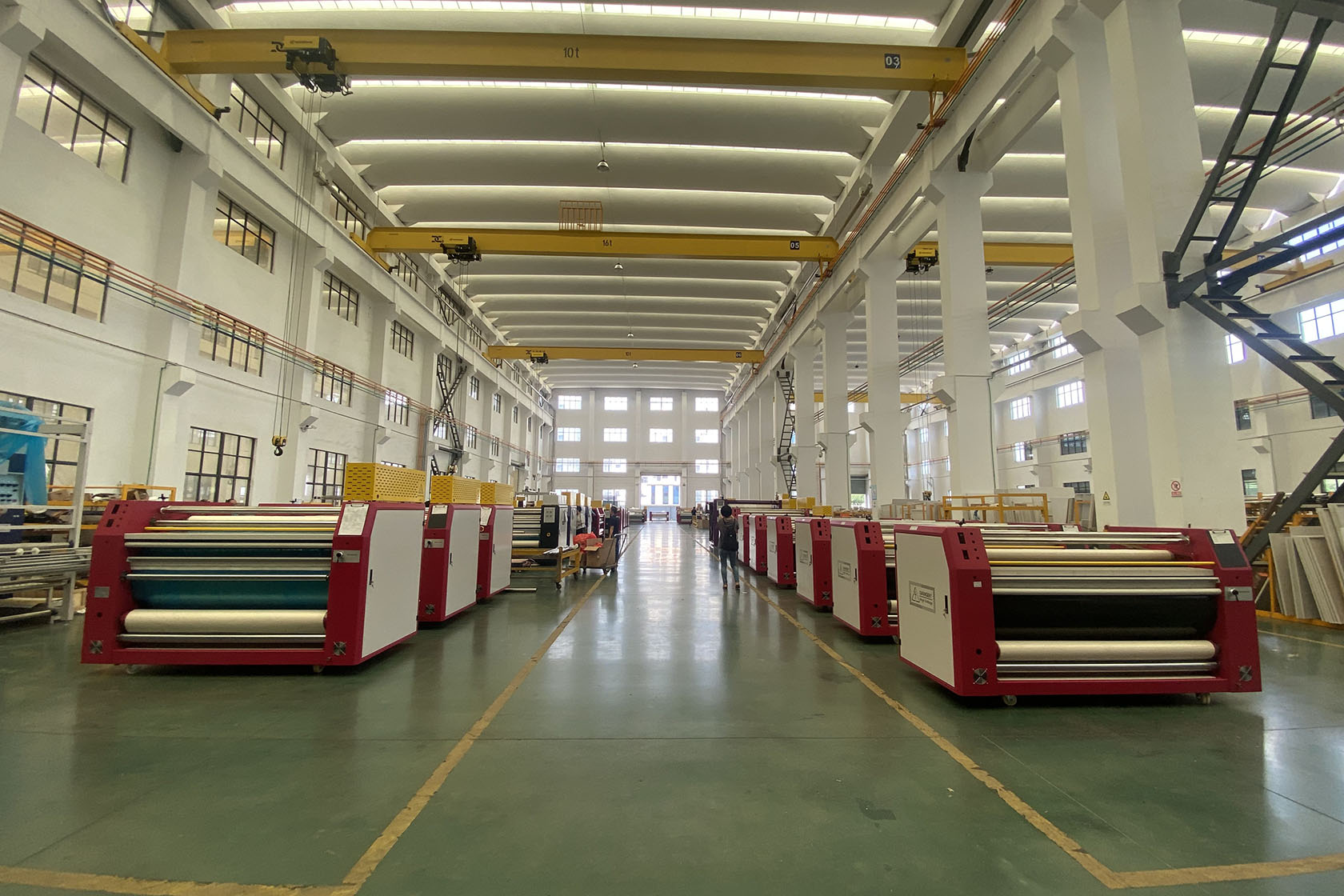
In today's rapidly developing digital printing industry, equipment stability, speed, and output quality are becoming key competitive factors for printing factories. Today, we take you inside a large printing factory in Keqiao, the textile capital of China, to learn firsthand about the performance of ENJET dye-sublimation printers in actual production. The models showcased include four ENJET i24 dye-sublimation printers and four ENJET i16 dye-sublimation printers—equipped with 24 and 16 printheads respectively, all using the latest Epson I3200 industrial-grade printheads, powerfully demonstrating high-capacity digital printing solutions.
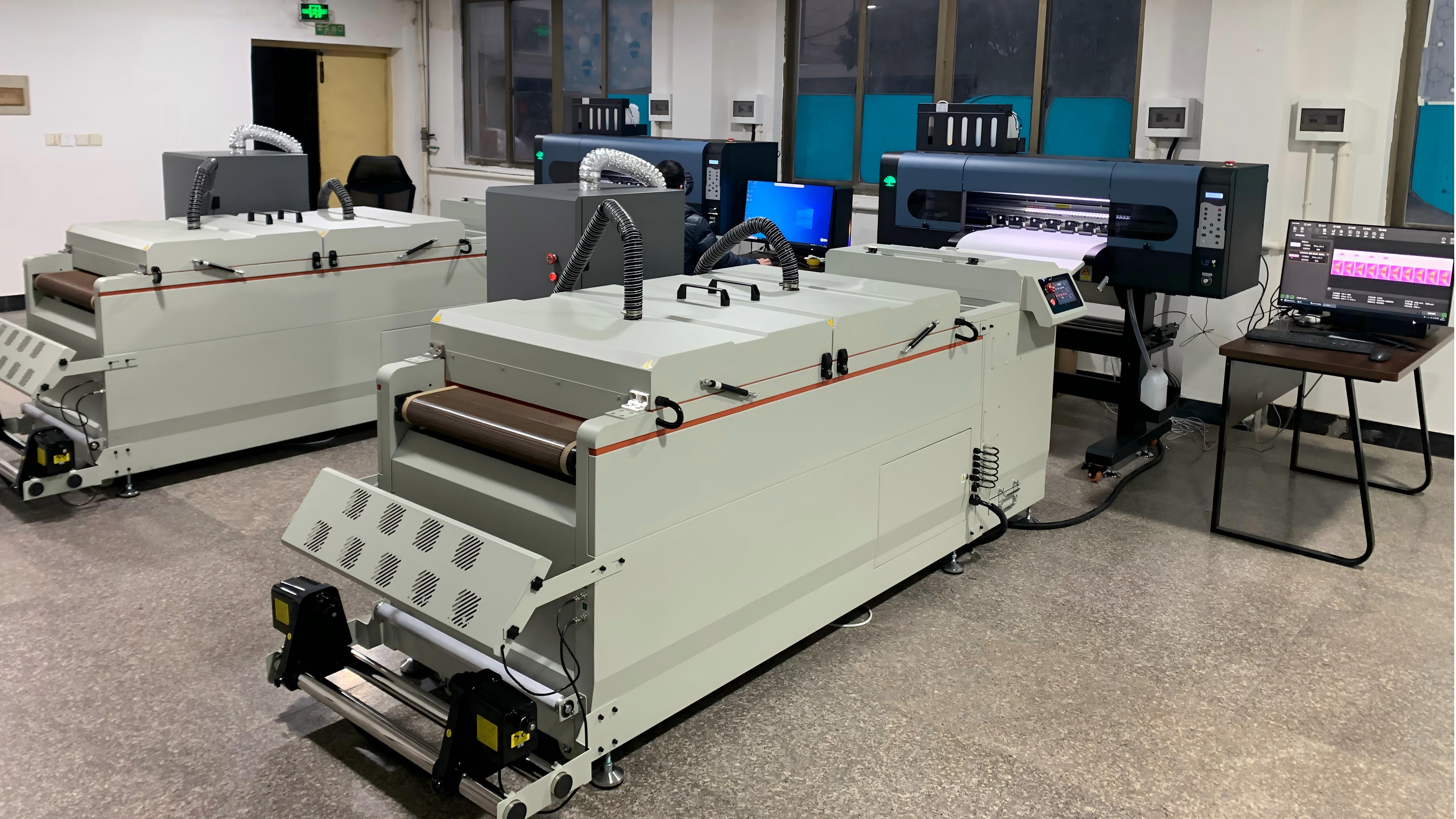
A New Era of DTF Customization: ENJET T606/T604 Empowers Garment Factories to Efficiently Transform!
In the custom garment industry, small batches, high variety, and fast delivery have become the new production trend. Traditional silk screen printing or thermal transfer methods often suffer from complex plate making, high costs, and long lead times.The ENJET DTF T606/T604 digital heat transfer printers are a highly efficient, low-threshold printing solution designed for custom garment factories.
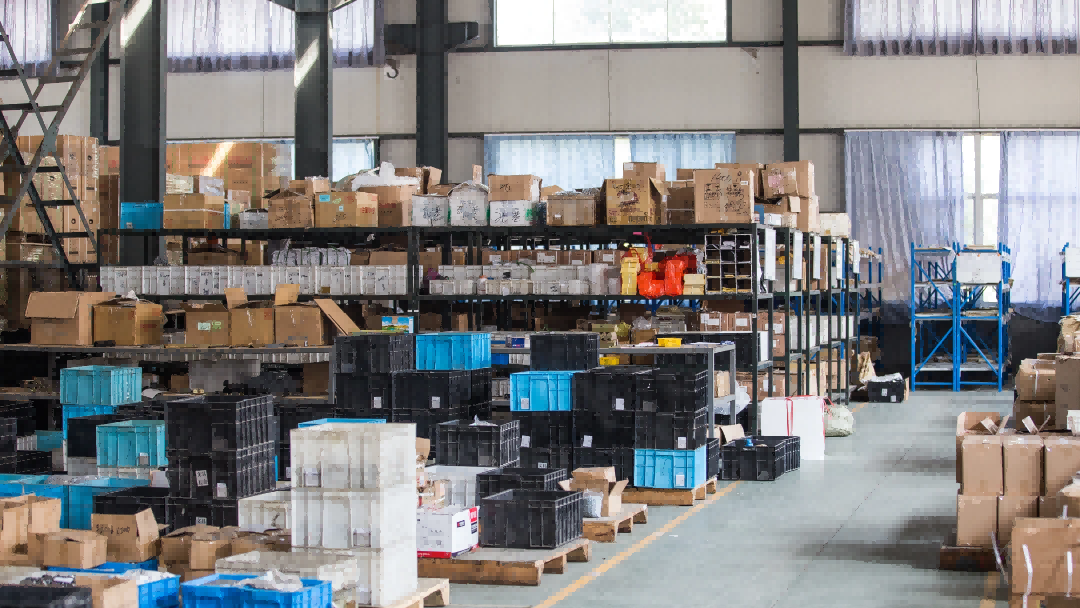
Which machines should POD factories choose?
In recent years, the POD (Print on Demand) model has rapidly gained popularity worldwide. Driven particularly by cross-border e-commerce and the trend toward personalized customization, more and more entrepreneurs and factories are entering the POD industry. However, with so many printing options available, how can POD factories choose the most suitable machine?
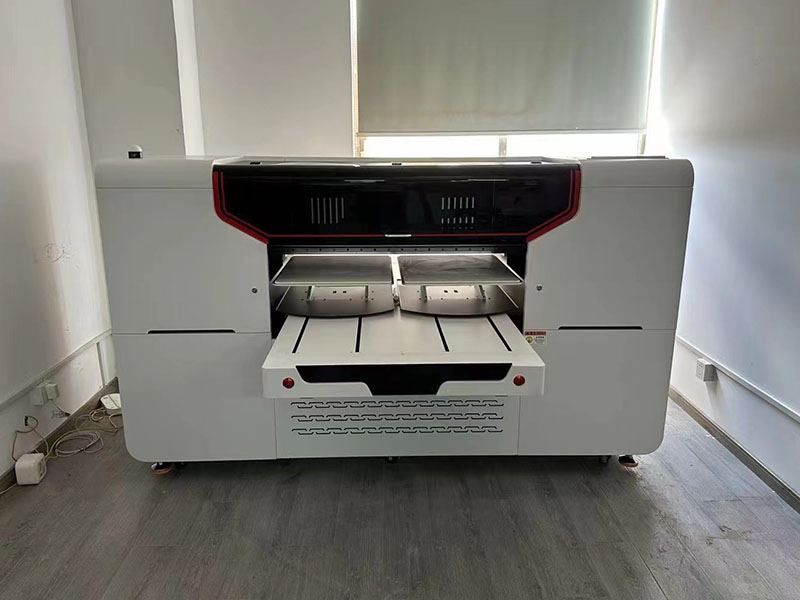
How does DTG direct printing achieve high-precision pattern restoration?
How to choose a digital printing solution that suits your business?
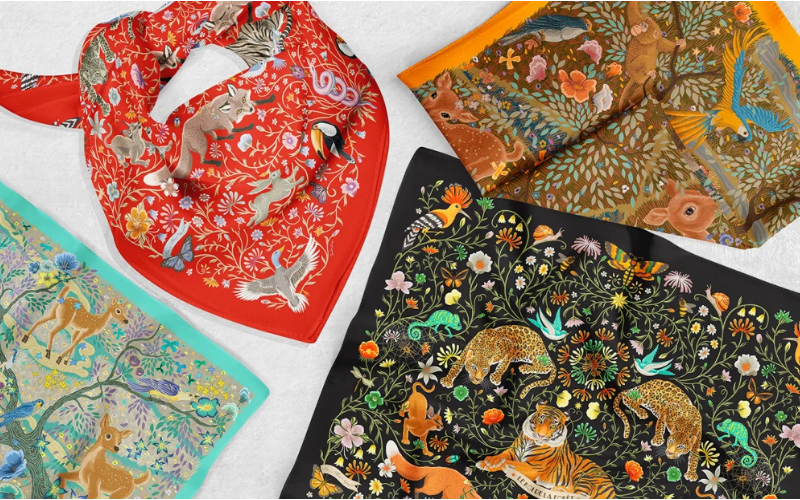
As the textile industry continues to transform towards flexible production, small batch customization and fast delivery, digital printing technology is becoming the first choice for more and more companies. But faced with a wide variety of equipment and technical routes on the market, how can you choose a digital printing solution that is truly suitable for your business? This is not only related to the return on investment of equipment, but also affects production efficiency, product quality and market competitiveness.
What is a high-speed digital belt direct-injection machine for textile fabrics?
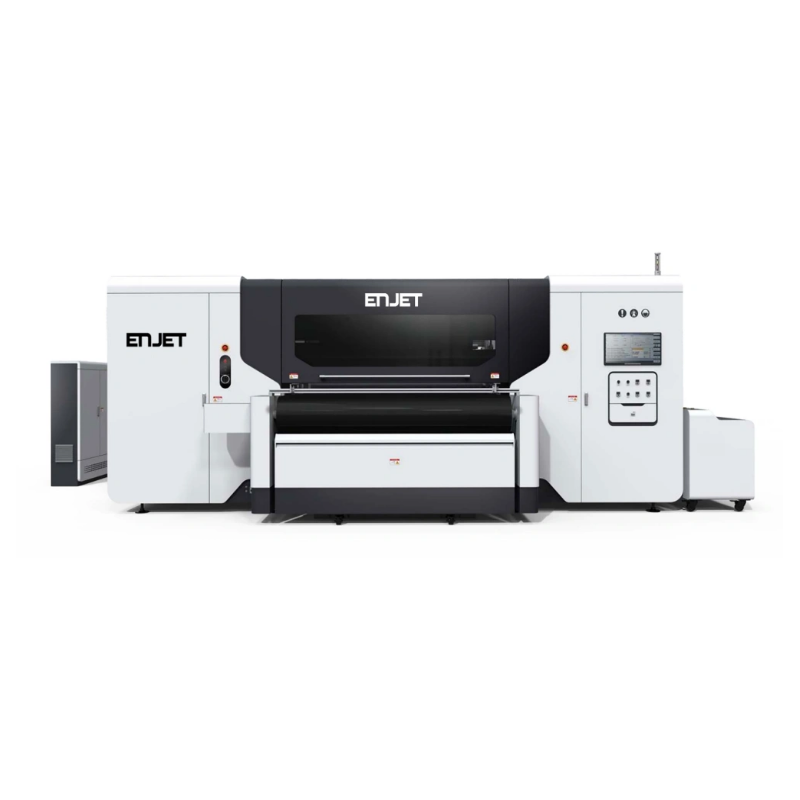
High-speed digital textile fabric direct-injection machine is a device that uses inkjet technology to print patterns directly on fabrics. It accurately transports fabrics through a guide system to achieve high-speed and high-precision digital printing. Compared with traditional printing methods, it does not require plate making, has fast response, unlimited patterns, and is green and environmentally friendly. It is suitable for a variety of fields such as clothing and home textiles, especially for small and medium batches, personalized customization and fast proofing. It is an important tool for the digital transformation of the textile industry.

What is digital hot stamping technology?
What is digital hot stamping technology? What are the differences and improvements of digital hot stamping over traditional hot stamping? Through this article, we will take you into the world of digital hot stamping printing
Why DTF Printer is the Best Choice for the Apparel Industry?
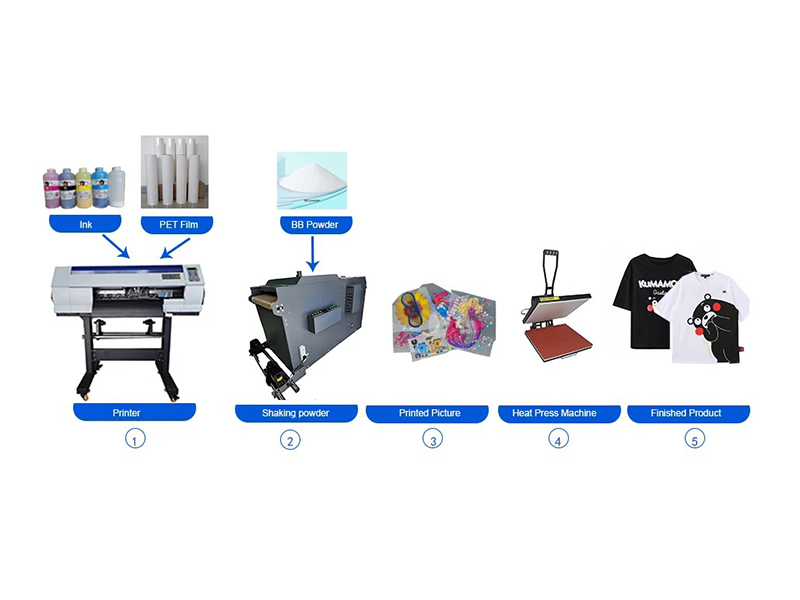
DTF printers have been particularly popular in the apparel industry in recent years, mainly because they are very flexible, efficient, and cost-effective, and are particularly suitable for today's fast-paced, personalized market demands.
How do DTF printers overcome the shortcomings of traditional printers?
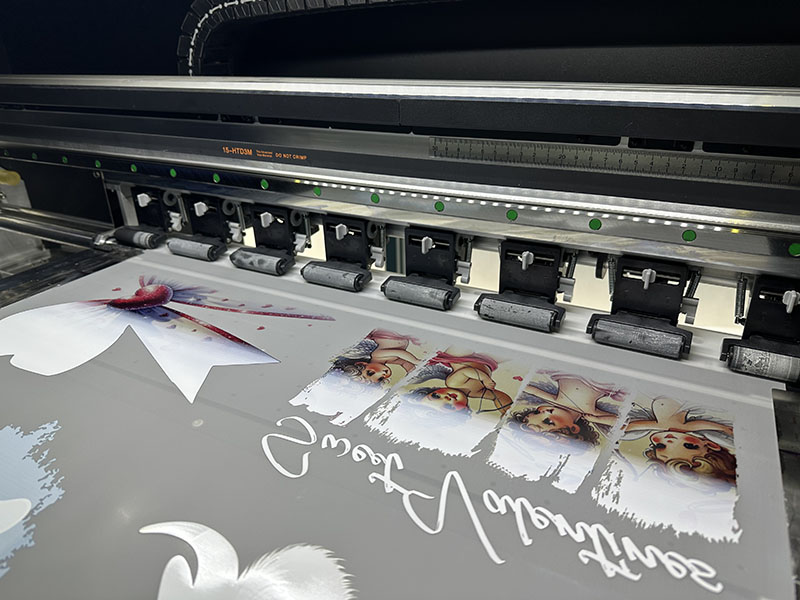
DTF printers have many advantages over traditional printing technologies (such as DTG direct printing, screen printing, thermal transfer, etc.). They have overcome some limitations of traditional printers. Here are some key points
What is heat transfer printing?
Thermal transfer printing technology was developed by European printing technicians in the late 1960s. This process uses the sublimation principle of disperse dyes or inks, uses paper as a carrier, and transfers the pattern printed on paper to the paper through temperature sublimation.