Leave Your Message

Blog

China Top DTG and DTF Printing Which Is Better?

China Top DTG and DTF Printing Which Is Better?

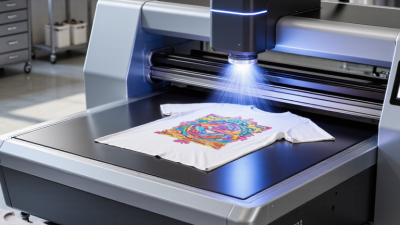
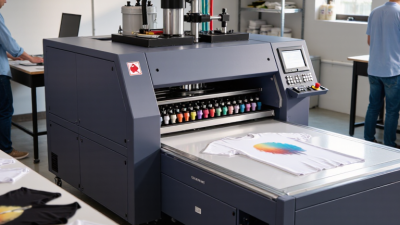
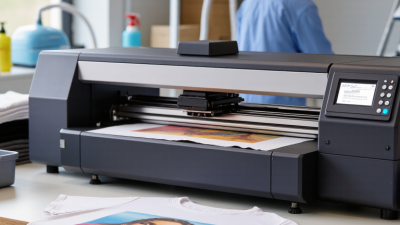
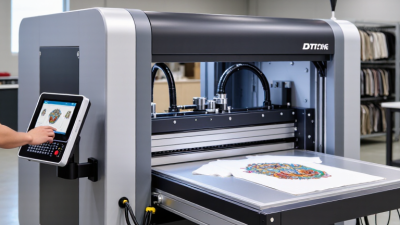
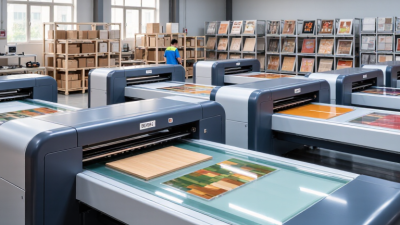
People always pit DTG and DTF printing against each other like there's gotta be a winner, right? But honestly, it's not that black and white. The right choice really hinges on what you're working with—your artwork, the fabric, how many pieces you need, and your overall production flow. Take direct-to-garment, for example. It works by literally dropping ink onto the shirt, which makes it perfect for those super detailed designs and small batches, especially on cotton that's actually suitable. So yeah, no one-size-fits-all answer. So, with direct-to-film printing, you essentially print your design onto a film first, then use adhesive powder and heat to transfer it onto the fabric. That extra step is a bit of a trade-off—it opens up more fabric options, sure, but it also means extra handling and more time at the finishing stage, which can be a hassle. You know, market reports can be handy for some background, but they don't really give you the final word when you're standing on the shop floor trying to decide. Like, Grand View Research pegged the global digital textile printing market at roughly $2.7 billion back in 2022, and they were projecting steady growth all the way to 2030. But here's the thing — their numbers cover a whole bunch of stuff beyond just DTG and DTF, so you can't take that figure and assume it's a straight-up comparison between the two. It's more like a ballpark, not a precise measuring stick. Here’s the thing – if you really want to see the difference, just grab a cotton tee with a nice gradient print and put it next to a transfer on a dark polyester shirt. Feel them both, then think about how they wash, how much hassle they are to set up, and the labor involved. That’s the real test. You know, having a solid quote from an expert would’ve been great here. But honestly, I couldn’t find a single published statement from a named specialist that directly compared DTG and DTF. So rather than just making something up, I decided to stick with what’s actually documented—the market context and the production factors you can measure. That’s a deliberate choice, and I think it matters. Because here’s the thing: when people talk about print quality, it’s never black and white. It depends on the ink you’re using, the equipment, pretreatment, curing, and frankly, who’s running the machine and how skilled they are. So there’s no universal winner—anyone who tells you otherwise is probably selling you something. So here's the thing – when we're talking about comparing options, it's really about what buyers and print shops can check out, run tests on, and do the math for before they finally pick a process.
Read more »
Lucas By:Lucas - November 13, 2026
7 Best Digital Printing Companies for Bulk Orders

7 Best Digital Printing Companies for Bulk Orders

Picking a digital printing partner for a big bulk order isn’t just about comparing the sticker prices. Sure, a low quote might look great at first—but it may not include shipping, proofing, finishing, or what it’ll cost if the colors come out wrong. And let’s not forget paper stock. That matters a lot. Turnaround times and reprint policies? Yeah, those are just as important. Benny Landa—you know, the founder of Indigo and basically a legend in digital printing—used to say, “Everything that can become digital, will become digital.” That idea goes a long way toward explaining why digital printing can now handle fast, variable production at scale. But here’s the thing: all that technology doesn’t automatically mean your order will be dependable. Look, it’s pretty simple: you need a team that knows what they’re doing, a Digital Printing Machine that’s actually looked after, and quality checks that don’t leave you guessing. Get those three right, and everything else kind of falls into place. So here’s the thing—this guide looks at seven digital printing companies that handle bulk orders, but with real-world differences in mind. It’s not just about specs; we’re talking product range, how flexible they are with orders, the turnaround times they quote, print quality, and customer support. Of course, always double-check current details directly with the vendor, because capabilities and pricing can change. And if color accuracy, paper feel, or fine details matter, definitely ask for a physical sample—don’t just rely on what you see online. Also, before committing, find out how they handle damaged copies or late deliveries. Better to know now than to be sorry later, right? Honestly, the little things matter more than you'd think. You might look at a sample and realize that finish which seemed flawless on your screen feels way too glossy once you actually hold it. So treat this list as a jumping-off point—not some definitive, one-size-fits-all ranking. What works best really comes down to how much you're ordering, your timeline, what you want to spend, and how okay you are with slight differences. Let's face it, bulk printing is almost never a totally smooth ride. But hey, a bit of caution upfront can save you a headache later.
Read more »
Lucas By:Lucas - November 9, 2026
Why Choose a Digital Garment Printer for Your Business?

Why Choose a Digital Garment Printer for Your Business?

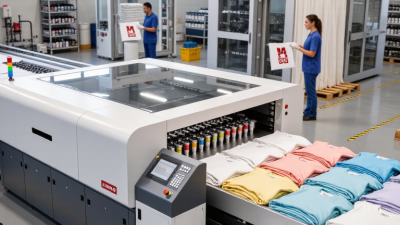
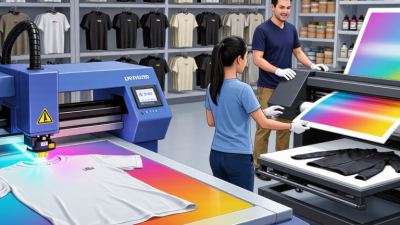
If you're running a clothing business, choosing a digital garment printer can honestly change the way you handle custom orders, short runs, and super detailed artwork. No more prepping screens for every single design—most digital systems just print directly onto the fabric, so small batches become a whole lot more practical. Take a bright logo on a cotton tee, for instance — you can go straight from a digital file to the finished shirt without a ton of setup. Of course, the exact steps vary depending on your printer, the ink, the fabric, and whether it needs pretreatment beforehand. So, if you're trying to figure out whether digital printing is actually worth it—or where it just doesn't cut it—this guide's got you covered. We dig into design flexibility, how fast you can turn orders around, print quality, operating costs, and yeah, the daily grind of keeping the equipment running. If you're in the market, don't just look at specs: pay attention to which fabrics a model can handle, how the colors look after curing, and whether the software will actually fit into your workflow. And seriously, get a printed sample. A brochure? Not going to tell you what you need to know. Honestly, there’s no perfect answer here—everything’s a trade-off. A digital garment printer can be great if you’re doing lots of different designs in small batches, but it’s not automatically cheaper or faster for everyone. You’ve got to factor in ink, labor, maintenance, and how much you’re actually producing. And that’s the part people tend to forget. If you’re running a shop that does steady, high-volume orders, you might need something completely different. On the flip side, a small studio should really sit down and estimate demand before making that kind of investment. Let's be real—businesses need to go in with realistic expectations. Once they do, they can actually weigh their options and figure out if digital garment printing is a good fit for what they're selling, the people behind the work, and the customers they're trying to reach.
Read more »
Nathan By:Nathan - November 4, 2026
7 Best Direct to Fabric Printing Machines in 2026

7 Best Direct to Fabric Printing Machines in 2026

Look, direct to fabric printing has come a long way from being this super niche process. By 2026, whether you're a brand, a mill, or a custom print shop, you've got options—machines built for completely different workloads. And here's the thing: choosing the right one isn't just about speed. You also need to factor in fabric type, ink system, usable print width, color control, maintenance access, finishing requirements... honestly, all of it shapes the final result. Debbie McKeegan has been talking about digital textile production for a long time, and she really knows her stuff. If I had to sum up her advice for buyers in one line, it would be something like: pick the printer based on the fabric you're actually printing and your production goals—not just the shiny brochure. To be clear, that's my paraphrase, not her exact words. But the point is a solid one: a machine that crushes it on polyester might totally disappoint on cotton, silk, or blends, unless you're willing to adjust the prep and the inks. You know, it's really the small things that count. A sample swatch, for example, can show you banding, uneven color, or how the ink actually behaves—stuff a spec sheet just won't tell you. And don't even get me started on operating costs. Once you factor in printhead replacement, pretreatment, drying, workflow software, and training your operators, the economics can shift a lot after the machine's already installed. Honestly, that's the part people tend to overlook. So, this guide takes a look at seven Direct Fabric Printing machines for 2026. We're not going to tell you one of them is the absolute best for every shop—because, honestly, that's just not realistic. What actually matters is things like your production volume, the kinds of fabric you want to print on, how solid the support is, and yeah, even how much floor space you're working with. All of that can really change which machine makes sense for you. Before you go all in, double-check the specs and ask for a test print on your actual fabric. A slick demo looks nice, but what really counts is getting the same results when it's your own material.
Read more »
Sophia By:Sophia - October 30, 2026
How to Choose the Best UV Inkjet Printer for Your Business?

How to Choose the Best UV Inkjet Printer for Your Business?

When you're picking out a UV inkjet printer, the first thing to think about is what your daily workflow actually looks like—not just how impressive the spec sheet is. A sign shop, a packaging company, and a big industrial manufacturer are probably going to need totally different machines. Substrates, image sizes, curing requirements, production volume... all of that can completely shift what the right choice is. Sean Smyth, a printing technology consultant at Smithers, once put it pretty well: “The best press is the one that fits the application, not the one with the longest spec sheet.” That idea still holds up, honestly. When you’re evaluating a press, you want to look at things like ink adhesion, print resolution, curing consistency, color stability, and operating speed. And don’t just trust the numbers—test it on the actual materials you’ll be using, whether that’s coated boards, acrylic, glass, metal, or flexible films. Then after curing, really look at the printed surface. Does it scratch if you run a fingernail over it? Because that’s the kind of thing that matters. So, does the color actually shift when you put it under strong light? I know that might sound a bit nitpicky, but honestly, the little details are what make the difference. Okay, so when you're looking at a UV inkjet printer, don't just focus on the sticker price. Think about the printhead design, how you'll handle nozzle maintenance, white ink circulation, and the software workflow. And it's worth asking the supplier straight up: do they offer operator training, keep spare parts in stock, and actually pick up the phone when something breaks? Because a cheap machine can end up costing you a fortune if downtime hits right in the middle of an urgent order. Plus, don't forget energy use and ink consumption—they add up over time and really affect the long-term cost of Uv Inkjet Printing. Look, no comparison is ever perfect. A lab sample isn’t the same as a busy production floor—there’s just no way around that. Salespeople can make a machine sound amazing, but real-world output can be a whole different story. So if you can, go see one in action at an actual plant. Don’t just chat with the sales team—get the operators talking too. Ask about production speed, cleaning time, rejected sheets, and what maintenance costs look like month after month. That kind of evidence tells you whether the printer actually fits your operation, instead of just looking good on paper.
Read more »
Sophia By:Sophia - October 27, 2026
How to Choose the Best DTG Garment Printer?

How to Choose the Best DTG Garment Printer?

How to Choose the Best DTG Garment Printer? Picking a DTG garment printer? Honestly, it should start with what you actually need to produce—not with whatever shiny brochure looks best. If you're running a small studio, you might care more about a compact footprint, easy maintenance, and colors you can trust. But a busy print shop? Speed matters. Think faster curing, bigger platens, and solid white-ink circulation. At the end of the day, the right machine has to fit your garments, your order volume, your team's skill level, and the space you've actually got. So yeah—look closely. You know, Steven Farag—he’s a pretty respected name in apparel decoration—puts it simply: “Consistency matters more than chasing the newest machine.” And honestly? That’s worth paying attention to. So when you’re talking to suppliers, don’t just settle for those perfect showroom prints. Ask for live samples on your actual cotton shirts. Then take a good look at fine text, how well dark fabric gets covered, how it holds up after washing, and those color gradients. Oh, and test a few different sizes and artwork styles too. Honestly, a Garment To Garment Printer can look pretty impressive in a demo. But put it under daily production pressure, and well, it might not perform the same way. And honestly, the practical ownership details matter just as much. So take a close look at things like ink costs, pretreatment needs, how often printheads need replacing, software compatibility, and whether you’ve got decent local tech support. Don’t skip the manufacturer’s maintenance schedule either — go through it carefully. Also, see if trained service engineers are available in your area. Good documentation definitely helps build confidence, but real-world, hands-on proof is what really counts. So spend a few working days tracking print times and cleaning cycles. Honestly, don't just brush off things like noise, heat, or how tired your operator gets. Those little details? They add up, and they definitely affect your output. And look—no printer is perfect. A lot of buyers get hung up on maximum resolution. I get it, but that can be a mistake. Things like stable feeding, dependable white ink, and service you can actually count on often lead to better profits. Also, your first assumption might be off. So before you pick a DTG garment system, double-check it with samples, real cost calculations, and some honest feedback from the people who'll actually run the thing.
Read more »
Sophia By:Sophia - October 24, 2026
How to Choose the Best DTF Process for Your Business?

How to Choose the Best DTF Process for Your Business?

Choosing the right Dtf Process can shape your product quality, delivery speed, and profit margin. It is not simply a printer decision. Your order volume, artwork style, fabric range, labor skills, and available workspace all matter. A small studio may need a compact direct-to-film printer, reliable white-ink circulation, and a separate curing unit. A growing shop may require an automated powder shaker, wider printing capacity, and stronger production controls. Dtf Transfer Process results also depend on film storage, powder coverage, curing temperature, and pressing pressure. Even minor humidity changes can create weak adhesion or uneven texture. DTF consultant Mark Coudray offers a useful principle: “A process is only valuable when it delivers repeatable results.” This idea deserves attention. A bright transfer is not enough. It should survive washing, stretching, folding, and daily wear. Test it. Before investing, compare sample output, maintenance routines, ink consumption, software support, and technical training. Speak with suppliers such as Epson, Mimaki, or STAHLS’. Ask for production evidence, not only attractive samples. Request wash-test data and clear warranty terms. There is no perfect setup. I have seen businesses choose equipment too quickly. Later, they struggled with clogged printheads, wasted powder, and inconsistent curing. That mistake is avoidable, but not always obvious. Start with a small production trial. Record temperatures, pressing time, fabric types, and failure rates. Then refine your Dtf Process around real orders, not assumptions. A careful review may reveal that slower equipment produces better margins and fewer reprints.
Read more »
Sophia By:Sophia - October 20, 2026
China Top 10 Digital Garment Printers for Global Buyers

China Top 10 Digital Garment Printers for Global Buyers

China has turned into a pretty big source for textile printing equipment—supplying apparel factories, fashion brands, and custom merch makers. If you're looking at a Digital Garment Printer for production anywhere in the world, this guide walks through ten Chinese manufacturers worth checking out. We looked at things like machine design, print quality, how well they handle different fabrics, how stable they run, tech support, and whatever company info is publicly available. The list includes names such as Atexco, Hanrun Paper, Micolorprint, Homer, Jingwei, Jilong, and a few other established Chinese equipment suppliers. Not every manufacturer is aiming at the same kind of shop, though. Some are built around cotton T-shirts and direct-to-garment orders. Others lean toward roll-to-roll fabrics, pigment inks, or bigger-volume textile work. So buyers should dig into printhead models, ink use, curing methods, max print width, and daily output. Small details matter, honestly. A compact printer might be perfect for sampling, while a wider one could cut down on labor when you're running bulk production. In practice, flashy specs don't always mean reliable results. Public data can be patchy, out of date, or just hard to compare. That's why this overview leans on practical buying criteria instead of marketing talk alone. Ask for fabric samples, maintenance records, installation terms, warranty coverage, and local service arrangements. Also confirm the machine meets import, workplace, electrical, and chemical safety rules in the market where it'll be used. No single ranking works for every factory. That's worth remembering. A printer that's great for one cotton workshop might struggle with polyester blends or tough color standards. Bottom line? Test carefully before making a commercial decision.
Read more »
Nathan By:Nathan - October 16, 2026
What Is a Small UV Printer and How Does It Work?

What Is a Small UV Printer and How Does It Work?

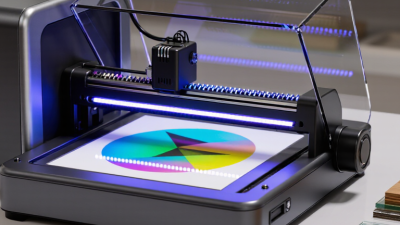
So, what exactly is a Small Uv Printer? Basically, it’s a compact digital printer that uses UV light to dry—or cure—the ink almost the moment it hits the surface. And unlike the printer you might have at home, this one can print straight onto stuff like acrylic, wood, glass, metal, leather, and coated plastics. When people say “small,” they’re usually talking about the machine’s footprint, not what it can do. It might sit on a studio table, sure, but it can still crank out detailed signs, promo items, labels, and one-off personalized products. That difference actually matters. The printing itself is precise, but let’s not pretend it’s magic. A printhead lays down tiny ink droplets, with cyan, magenta, yellow, and black building the main colors. Some models add white ink too, which helps on dark or transparent materials. Then a UV LED lamp hardens each layer almost instantly. The result? A dry, slightly tactile finish with crisp edges. You can also add varnish for gloss or texture. Small details really do pop. But—and this is the part people miss—the machine isn’t the whole story. How you prep the material, how clean the surface is, your ink settings, and how well you maintain the printhead all shape the final result. A board with a little dust on it can cause pinholes or uneven adhesion. It’s easy to underestimate. Good operators usually run small test samples before they commit to a big order. They also stick to the manufacturer’s guidance and use proper ventilation and protective gear. A Small Uv Printer can cut down setup time and make short production runs a lot easier. It’s handy for workshops, sign studios, retailers, and creative businesses that need flexible customization. That said, it’s not automatically the right pick for every job. You still need to compare printing speed, object height, color accuracy, and maintenance costs. And honestly? Real-world experience often shows limits that brochures conveniently leave out.
Read more »
Nathan By:Nathan - October 12, 2026
7 Best DTG Printers for Clothing in 2026

7 Best DTG Printers for Clothing in 2026

When you’re picking a DTG Printer Clothing setup for 2026, it’s usually not about hunting down the priciest machine. What matters more is whether it actually fits your production needs and still delivers reliable prints day after day. A small studio might care most about a compact footprint and easy maintenance. A busy apparel shop? It probably wants faster output, solid white-ink circulation, and software that doesn’t fight you. And fabric type makes a big difference, too. Cotton, blends, dark shirts, textured garments—they can all behave very differently. Truth is, no machine wins every test. So this guide looks at seven leading DTG printers for clothing, using practical criteria instead of marketing hype. We’re looking at image detail, color consistency, pretreatment demands, print speed, running costs, maintenance, warranty support, and training resources. These things obviously affect the final shirt, but they also shape your daily workflow and long-term profitability. Ronen Samuel, CEO of Kornit Digital, summed up where the industry is heading: “The world is moving from mass production to mass customization.” That shift makes direct-to-garment printing more and more useful for short runs, personalized orders, and on-demand apparel. Still, it’s worth keeping expectations in check. A printer that’s advertised as fast can slow way down with dark garments or complex artwork. A low purchase price might hide expensive ink and maintenance headaches. Even experienced operators sometimes underestimate how much pretreatment consistency matters. The models below aren’t presented as perfect choices. Each one has compromises. Some are better for new businesses; others fit established production teams. Our comparison sticks to measurable features, real operating conditions, and the practical details that often get lost in a product brochure.
Read more »
Sophia By:Sophia - October 7, 2026
7 Tips to Choose the Best Textile Digital Printing Machine

7 Tips to Choose the Best Textile Digital Printing Machine

Picking the right textile digital printing machine isn’t just about speed or price tags — it can really make or break your production quality, costs, and even how much your customers trust you. Sometimes, a machine that looks fantastic in the showroom, printing bright, eye-catching samples, might behave totally differently once you set it up in your actual workspace. Factors like fabric tension, how the ink absorbs, ventilation, software compatibility, and even how well your team is trained can all impact your daily results. Funny enough, it’s often the tiny details that make the biggest difference. In this guide, I’m sharing seven practical tips to help you evaluate equipment more confidently. We’re focusing on print accuracy, flexibility with different materials, ease of maintenance, operating costs, and reliable technical support. These are the kinds of challenges you’ll probably run into in real-world digital textile printing — things like clogged printheads, uneven colors, or unexpected downtime. Of course, no checklist can cover absolutely everything. What works great in a small fashion studio might not suit a huge textile factory — and honestly, that’s something to keep in mind. One big tip — always test with your actual fabric. Ask your suppliers for sample runs using your materials, your artwork, and real production setups. Look closely at how it handles fine lines, gradients, dark areas, and whether it lasts through washing. Make sure to get detailed info on specs, service terms, ink types, and any references from other users doing similar work. Trustworthy proof beats a flashy demo any day. Also, think long-term — consider installation, training, spare parts, energy bills, and routine cleaning. A cheaper machine might seem like a steal, but if the support is slow or parts are hard to find, it can end up costing you more in the end. Doing your homework before buying won’t guarantee perfection, but it can definitely help cut down on future headaches and keep your printing process running more smoothly.
Read more »
Nathan By:Nathan - October 2, 2026
Why Choose a DTG Machine for Your Business?

Why Choose a DTG Machine for Your Business?

Picking out the right DTG machine can really change the game for a small apparel business, especially when it comes to handling custom orders, samples, or just the daily grind of production. Instead of waiting around for screens, transfers, or dealing with third-party suppliers, you can print detailed artwork directly onto shirts that are prepped and ready. A DTG Printer T-Shirt Printing Machine is especially handy when customers want short runs, personalized designs, or quick tweaks. The process is pretty straightforward: upload the artwork, pretreat the shirt, print, cure it, and then give everything a good look-over. Ronen Samuel, who used to be the CEO of Kornit Digital, has called on-demand production the "future of fashion," and honestly, you can see the trend shifting that way. More customers are expecting unique stuff without having to buy in massive quantities. Using a DTG machine can also help cut down on excess inventory and make your sales more flexible. Plus, it's a great way to test out new designs without committing to hundreds of pieces upfront. That's a big deal for online shops, local print businesses, or even event merchandise vendors. But hey, let’s keep it real—this isn’t some magic wand. Things like ink costs, quality of pretreatment, maintenance, fabric choices, and how well your team knows the machine all play a role in whether you turn a profit. White ink systems, for example, need careful cleaning to avoid issues. And if you don’t cure properly, even the coolest print can get ruined. I’ve seen businesses get caught up in rushing things and overlook the importance of a solid workflow, and trust me, that can get pricey fast. So, if you’re thinking about investing, it’s smart to compare factors like how much you’ll print, what kind of support the supplier offers, compatibility with your software, and warranty details. The fastest machine isn’t always the best fit. The real key is finding one that matches your actual needs, skills, and realistic plans. Start small, keep track of what works, and then tweak your process as you go. It’s all about learning and growing gradually.
Read more »
Sophia By:Sophia - September 29, 2026
China Top 10 Small UV Printer Manufacturers

China Top 10 Small UV Printer Manufacturers

Hey, if you're into small UV printers, you'll notice that the demand has really shifted lately. Brands and workshops now prefer short runs, quick turnarounds, and equipment that doesn’t hog too much space. Resources like Smithers' 'The Future of Digital Printing to 2028' and Grand View Research’s report on UV cured inks give a good sense of how the market’s growing, especially in digital and UV printing. But, keep in mind, they don’t rank China’s small printer makers one over the other. When shopping around, it’s smart to compare specs and, if possible, test a sample on your actual materials—seeing is believing, right? Size does matter here. A small, compact printer might be perfect for phone cases or acrylic sheets, but it could give you trouble with thicker stuff or if you’re doing long runs. So, definitely check things like the maximum printable height, how consistent the curing is, how well the white ink circulates, and whether the software is user-friendly. Also, find out if spare parts are easy to get and what routine maintenance costs. The best approach? Ask each supplier to do a test print on your specific material. Take a good look at things like fine text, edge sharpness, adhesion, and color quality—preferably under your usual workshop lighting. If you want to get a sense of the overall market, Marco Boer, a digital printing analyst and VP at IT Strategies, is a pretty knowledgeable person to talk to. Just a heads-up—since I don’t have a direct quote from him, I’m not gonna invent anything. It’s important to be cautious, especially since manufacturer ads and flashy sample images can sometimes be a bit misleading. Always ask for actual test results and clear service terms in writing. The list of China’s top 10 small UV printer brands is just a starting point, not a stamp of approval. Do some homework, compare your options, and pick the one that fits your workflow best.
Read more »
Sophia By:Sophia - September 25, 2026
China Top 10 Flat Bed Printer Manufacturers in 2026

China Top 10 Flat Bed Printer Manufacturers in 2026

As we step into 2026, China’s flatbed printing industry is seeing a real boost in demand—not just for signage, but also for packaging, home décor, and custom industrial graphics. These days, a flatbed printer isn’t just for rigid-board advertising anymore. It can handle all sorts of materials like acrylic, glass, aluminum, wood, tiles, and even some flexible substrates. But let’s be honest, speed is a big deal—so are ink adhesion, color consistency, ease of maintenance, and keeping your operating costs in check. Sure, a machine might look super impressive during a showroom demo, but the real world throws a few curveballs. Dust, temperature swings, operator training, and uneven media can all mess with your results. So, paying attention to little details really does matter. Marco Boer, VP of IT Strategies, put it pretty well when he said, “Inkjet isn’t just a technology—it's a whole business model.” That really hits the mark when we think about the Uv Flat Bed Printer market right now. If you’re looking to buy, don’t just focus on resolution or how fast the machine claims to be. It’s equally important to look at how smoothly it fits into your workflow. This overview highlights China’s Top 10 Flat Bed Printer Manufacturers for 2026, based on factors like product reliability, engineering skills, export experience, support networks, software compatibility, and customer reviews. Companies like Shenzhen HandTop Technology, Jinan Yujia Machinery, Wuhan Hanhua Technology, and Guangzhou Yinuo-Print are all bringing different strengths to the table. But keep in mind, it’s not a black-and-white list. Public info isn’t always complete, and some brands aren’t very forthcoming about their long-term performance data. That’s something to watch out for. Sometimes, a slightly lower-ranked supplier could be a better fit for your specific factory than a big-name brand. Before making a decision, it’s smart to compare sample prints, warranty details, ink systems, installation support, and verified production references. Basically, I want to help you navigate this process—just remember, how well a printer performs depends a lot on your materials, workflow, and how experienced your operators are. All in all, choosing the right flatbed printer isn’t just about specs—it's about finding what works best for your unique needs and setup.
Read more »
Lucas By:Lucas - September 21, 2026
7 Tips to Choose a White Ink Heat Press Machine?

7 Tips to Choose a White Ink Heat Press Machine?

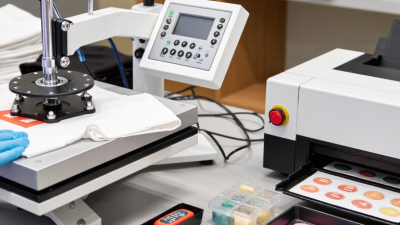
Choosing a white ink heat press machine isn't just about picking any old heating device. It actually impacts your print quality, how fast you can produce, and what your daily operational costs will look like. You shouldn’t treat it like a simple gadget, either. The machine needs to work seamlessly with your white ink printer — you can check out the details here — along with transfer film, powder, garments, and your finishing steps. Small mismatches in setup can lead to ugly cracks, dull colors, or edges that aren’t even. Trust me, these tiny details matter. Mark Coudray, a pretty well-known expert in apparel decoration, always says, “Consistency is the key to making good money from garment decorating.” And honestly, that’s a big deal here, too. You want a reliable press that keeps the temperature even and applies consistent pressure across the entire platen. It should also have accurate digital controls, stable heating elements, and enough workspace to get the job done comfortably. When you’re doing multiple runs, a good machine feels predictable — like you know what to expect. Of course, nobody’s perfect, and choosing equipment isn’t always straightforward. A higher price tag doesn’t automatically mean you’re getting a top-notch machine. The brand’s reputation helps, but it’s no substitute for hands-on testing yourself. So, ask your supplier if they do temperature tests, support you technically, have spare parts, and offer clear warranty info. Make sure to try out the machine with different fabrics like cotton and polyester, dark shirts, and various transfer sizes. Keep an eye out for problems like scorching, peeling, or incomplete curing—that’s a dead giveaway you need a better fit. This guide’s seven tips zoom in on the nitty-gritty of real-world production. They cover things like adjusting pressure correctly, checking temperature accuracy, platen design, how well it fits into your workflow, safety features, maintenance needs, and value over the long haul. These details can help you compare machines more carefully. Honestly, a practical test run often tells you more than a fancy brochure ever could. Take notes, re-test, and don’t forget to pay attention to things like pressure consistency or how quickly the machine recovers after a print. Even seasoned pros can overlook those little things.
Read more »
Nathan By:Nathan - September 18, 2026